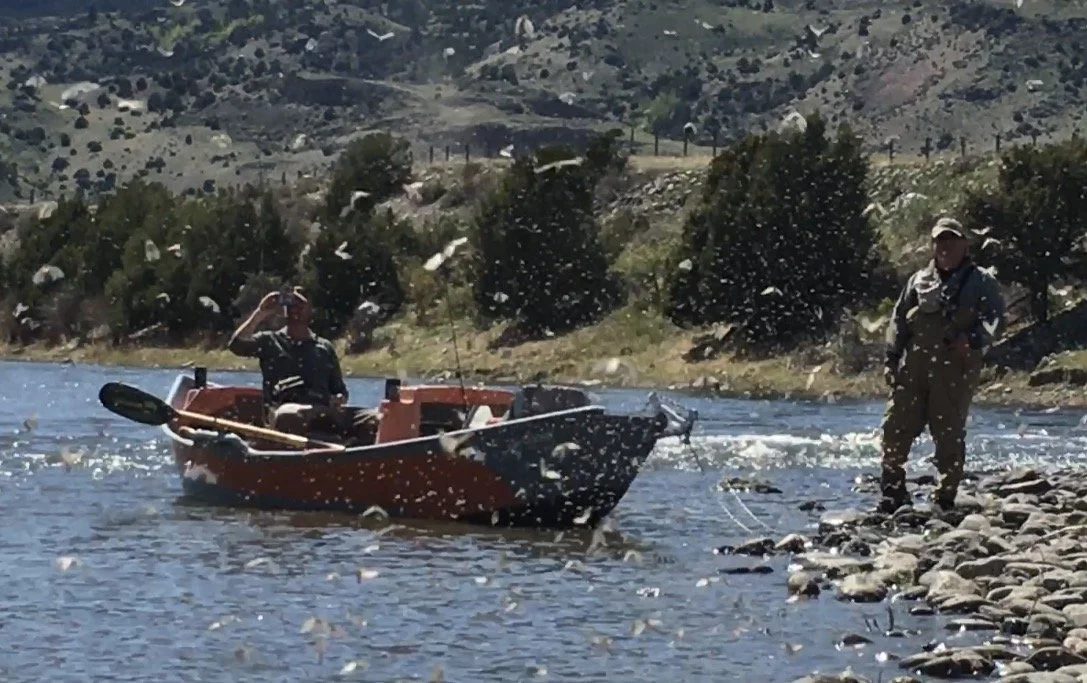
Choosing the Right Water from March Through Early June
Early spring is one of the most overlooked windows for fly fishing in Montana. From March through early June, success isn’t about forcing one river. It’s about understanding how different systems respond to weather, runoff, and light, then choosing the water that feels right for that day.
Guiding out of Livingston, Montana, I plan spring days around a handful of core fisheries: the Yellowstone River, the Madison (Lower and Upper), the Bighorn, and the Paradise Valley spring creeks. Each has its own rhythm. The key is listening to the river instead of the calendar.
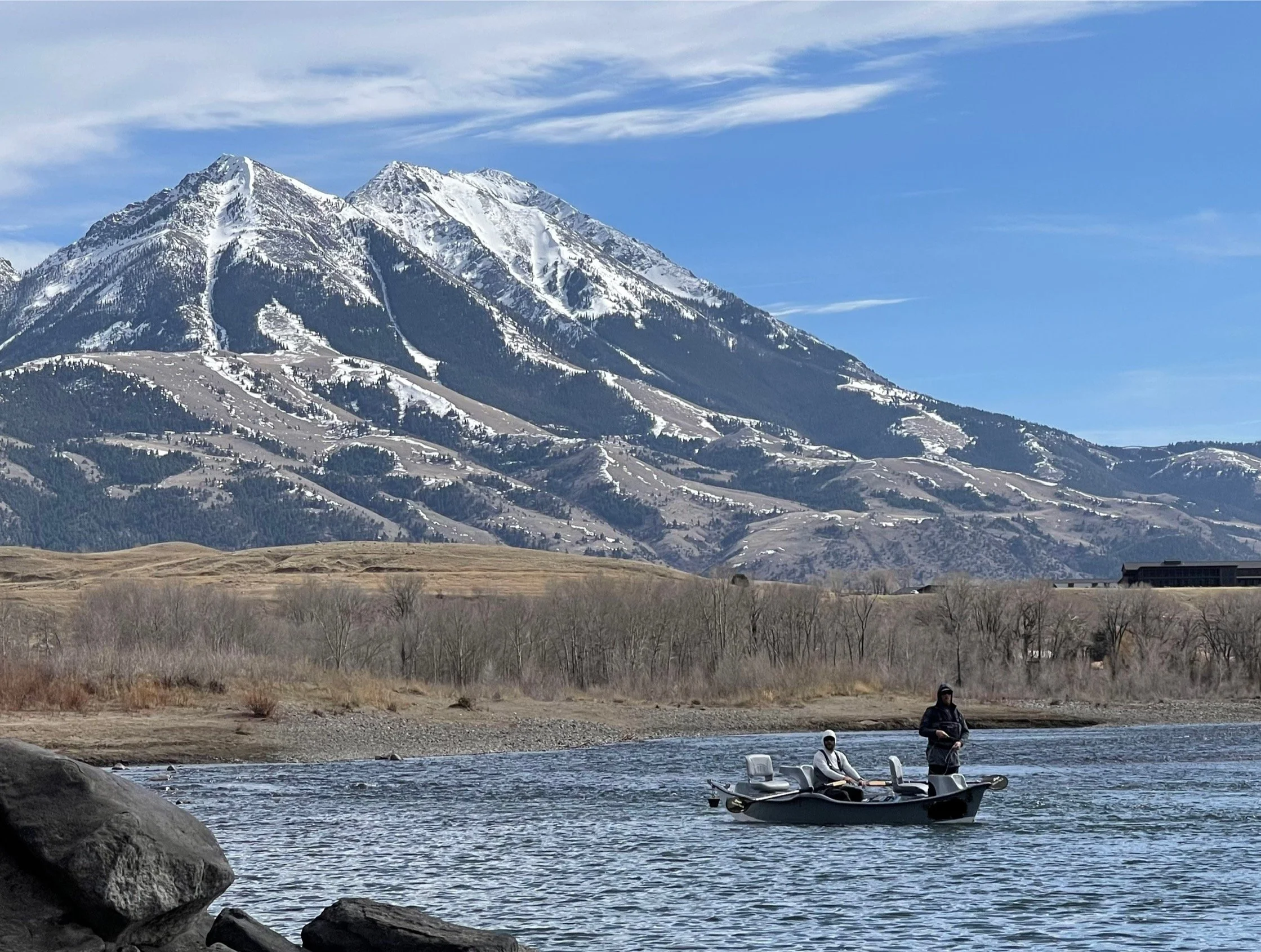
The Yellowstone in Early Spring (And January, When It Lets You In)
Most people don’t think about the Yellowstone River until late spring. But in the right years, it starts long before that.
I’ve fished the Yellowstone in January when conditions allow. No shelf ice. Just windows of open water and light that feels different than any other time of year. It’s quiet in a way that’s hard to describe. Steam lifting off the water. No boats. No noise. Just the river doing its thing.
Come March through early May, the river really begins to change. Trout start sliding out of their deepest winter holding water into softer edges and transition lanes. You can feel the system waking up.
Early in the season, I focus on the faster morning water where shelf ice is least likely to linger. One of my favorite early-early spring floats is Mayor’s Landing down to 89, before other sections are reliably open. It’s a stretch that lets you move, fish, and stay in productive water without fighting the elements.
Streamers, Feedback, and Why Spring Teaches You
Early spring is one of my favorite times to fish streamers on the Yellowstone.
It’s not about blind casting. It’s about intent. Inside bends. Soft shelves. Edges that barely move. Transitional seams that don’t look like much until you put a fly in the right place.
Takes are deliberate. Heavy. Honest. And the feedback is immediate. Change your angle slightly. Adjust your speed. Sink it a touch more. You don’t have to guess what worked. The river tells you.
Spring has a way of teaching you how to fish again every year.
The Mother’s Day Caddis
Late April into early May often brings what anglers call the “Mother’s Day caddis” on the Yellowstone. It’s real, but it’s never guaranteed.
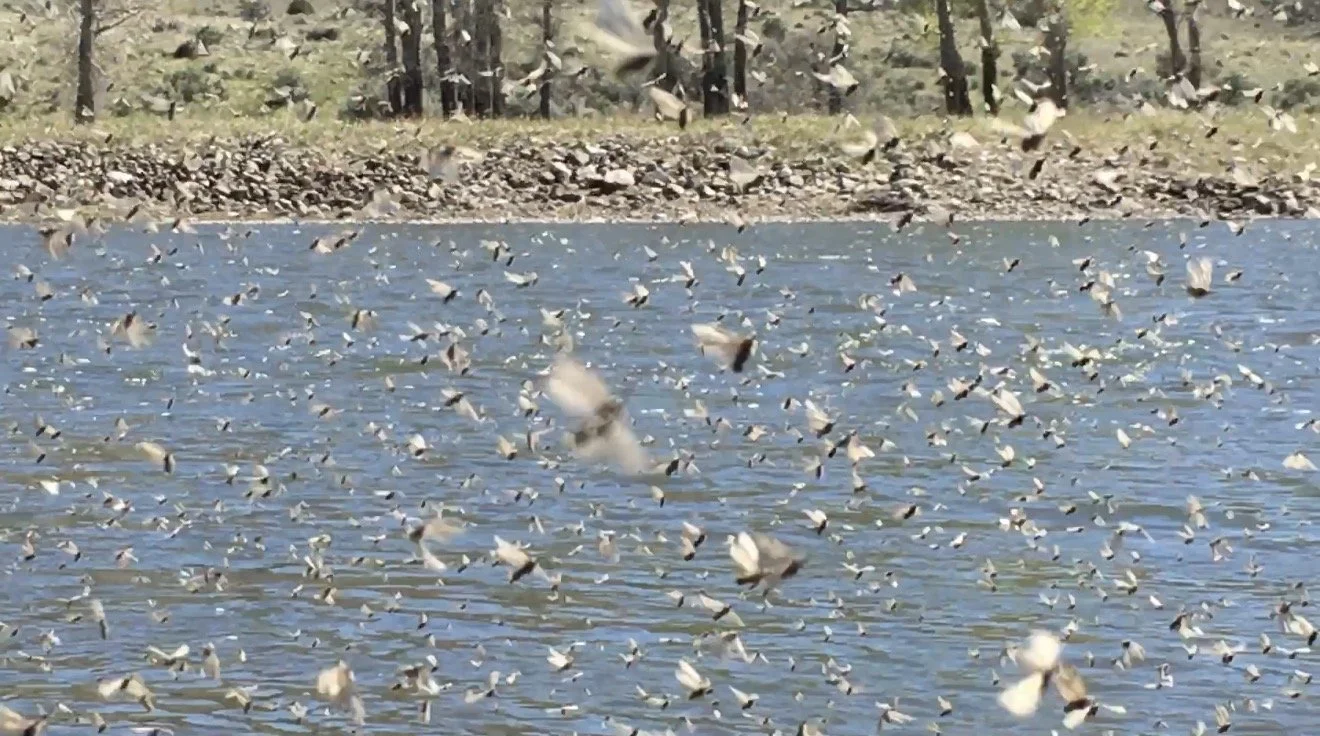
When it lines up, it’s one of the most enjoyable moments of the spring. Fish looking up. Bugs in the air. You’re still ahead of true runoff. Some years it’s brief. Some years it stretches longer. What matters is understanding the broader timing instead of chasing a specific weekend.
This is a Yellowstone moment first and foremost. While a few caddis can drift onto nearby waters, the heart of it belongs on the river.
When Wind Shows Up, Options Matter
Spring in Montana doesn’t pretend to be polite. Wind happens. Weather shifts. Some days feel perfect. Others feel like they belong to another season.
This is why I never plan spring fishing around a single river.
If the Yellowstone is clear and comfortable, that’s where I want to be. If wind is ripping, spring creeks make sense. If runoff starts to show, tailwaters like the Bighorn stay reliable. And if you’re based near Bozeman or Big Sky, the Madison often becomes the practical choice.
Spring fishing works best when you let the conditions decide.
The Madison: Lower and Upper, and Why Location Matters
For anglers coming through Bozeman or staying near Big Sky, the Madison is often the most logical option.
One thing I’ve learned from years of planning trips: the Lower Madison is generally more convenient from Bozeman than the Upper. Less driving. More time on the water. More flexibility when the weather shifts.
The Lower Madison holds steady through much of spring. Midges and Baetis carry most days, and streamers come into play with changing light or wind. It’s dependable water during a season that doesn’t always feel that way.
The Upper Madison around Ennis is a different animal. It’s classic water, but spring there rewards patience and precision. When it lines up, it’s excellent. When it doesn’t, it’s nice to have other rivers in your back pocket.
Spring Creeks: DePuy’s and Armstrong’s
When freestones start to rise or wind makes big water uncomfortable, spring creeks often become the right answer.
In Paradise Valley, that means DePuy’s Spring Creek and Armstrong’s Spring Creek. Clear water. Technical presentations. Subtle takes.
Early in the season, most days revolve around midges and Baetis. The fishing rewards slowing down and paying attention.
One small detail most people don’t realize: spring creeks don’t produce a caddis hatch as prolific as the Yellowstone. But when the river is popping, caddis can blow in and create those unexpected moments that make a day memorable.
The Bighorn and Tailwater Perspective
If there’s one river that defines consistency during runoff season, it’s the Bighorn.
Tailwater flows. Clean structure. Fish that haven’t been harassed. It’s the place I go when I want to feel grounded in what fly fishing is at its core. And if you can give it two days instead of one, the river opens up in a way that single-day trips rarely allow.
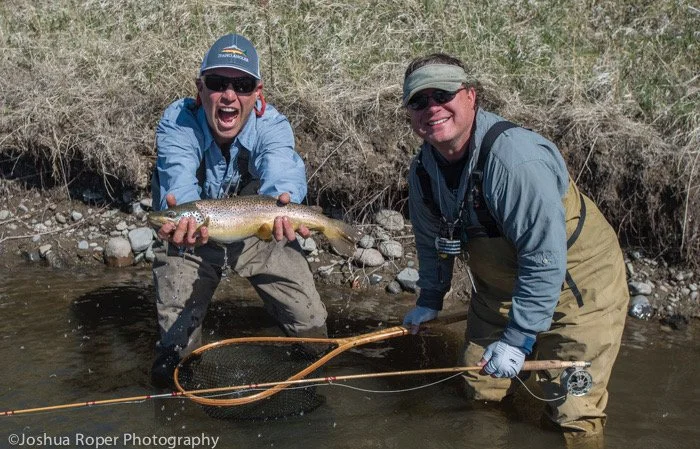
What I’ve Learned About Spring
Here’s the simple framework I carry into every early season:
Yellowstone: January windows when shelf ice is gone, then March through early May before runoff
Lower Madison: March through early June, and the most convenient option from Bozeman and Big Sky
Upper Madison: April through June when conditions line up
Spring Creeks: Clear, technical walk-wade fishing through runoff
Bighorn: April through early June with tailwater stability
But the bigger lesson is this:
Most days you think are going to be freezing on the boat can be solved with proper clothes and the willingness to lean into the experience. There’s a surreal quality to early spring. The light. The quiet. The sense that the season is just beginning. That’s the part you can’t schedule and can’t fake.
That’s why I keep coming back to it. For a full overview of spring fishing options, seasonal timing, and trip planning, visit our Spring Fly Fishing Hub.
Closing Thoughts
Early spring offers a quieter version of Montana. Fewer people. Less pressure. More room to notice what the river is actually doing.
For anglers who enjoy adapting, learning, and watching water come back to life after winter, this season stands out. And when conditions shift, having options between the Yellowstone, Madison, spring creeks, and the Bighorn makes all the difference.
If you’re thinking about a spring trip and want to talk through timing or water choice, I’m always happy to compare notes and see what makes sense for the window you’re looking at.