Stillwater River Fly Fishing Guides Near Columbus, Montana
The Stillwater River is a fast, bouldery Yellowstone tributary between Nye and Columbus, Montana. It is a full-day float river in our program, built around rafts, timing, and summer conditions, with the best fishing usually happening when flows settle into roughly 1000 to 1500 CFS.
Stillwater River Pocket-Water Fly Fishing
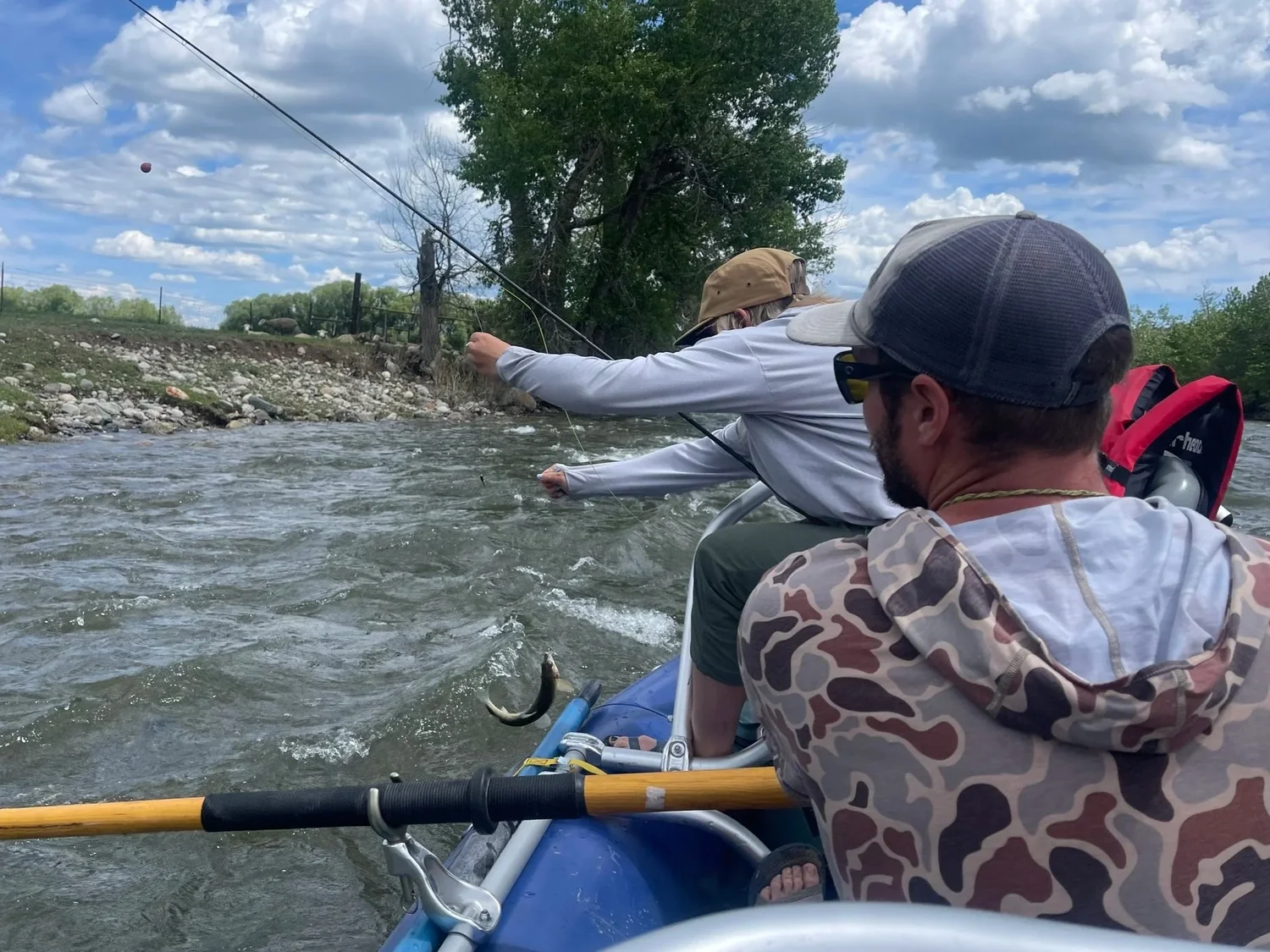
Despite the name, the Stillwater is anything but still. It drops out of the Beartooth Plateau and into ranch country as a clear, bouldery freestone with long riffles, pocket water, and classic seams. When it comes into shape, it is one of the most fun dry-dropper and attractor-dry rivers in our program.
We treat the Stillwater as a true window river. We do not force it, and we do not build a week around assuming it will be perfect. When flows, clarity, and water temperatures all line up, we use it. When they do not, we move you to water that is actually ready.
This is a full-day raft trip in our program. The Stillwater covers real river miles and makes the most sense when you give the day enough time.
When The Stillwater Is Generally Floatable
Main Float Season
Most outfitters describe the Stillwater as a mid-summer to early-fall float river, with the most dependable guided float season generally running from mid-July into mid-September, depending on runoff, heat, and safe flows.
- Late June to early July: possible in some years as runoff drops, but very condition-dependent.
- Mid-July through August: the core float season on most guide calendars.
- September: often still workable, especially lower down, if flows and temperatures cooperate.
How We Think About It
The Stillwater is not a set-it-and-forget-it river. It can fish very well after runoff, but it remains a short-window raft river where section choice matters and lower river options often last longer than the upper river.
- Runoff decides when the window opens.
- Heat and low water decide when it starts to close.
- Lower reaches often stay in play later than the upper canyon water.
Best Flows To Float The Stillwater
For practical trip planning, the most useful public reference is the USGS Stillwater River gauge near Absarokee. In general, the Stillwater fishes best in a medium flow range, with the cleanest overall fishing and raft access typically around 1000 to 1500 CFS.
Sweet Spot
In general, 1000 to 1500 CFS is the Stillwater sweet spot. That range usually gives you enough water to float cleanly in a raft while keeping the river fishable, readable, and not overly pushy for a standard guided day.
- 1000 to 1500 CFS: best overall mix of access, pace, and fishability.
- Above 1500 CFS: often better on upper sections above the Rosebud confluence.
- Below 1000 CFS: lower river tends to make more sense than upper sections.
Floatability Range
A broader working range of roughly 800 to 2000 CFS can be possible depending on section. Below that, the Stillwater starts getting bony and draggy; above that, it becomes more technical and more dependent on rower skill, section choice, and how much push you want to deal with.
- 800 CFS or lower: expect bony spots and occasional dragging.
- 2000 CFS and up: still floatable in places, but faster, pushier, and more technical.
- Higher water: calls for better rower judgment and more careful section choice.
View Stillwater River Gauge Near Absarokee
We use the gauge, recent weather, clarity, and water temperatures together. If the Stillwater is too high, too low, or too warm, we pivot and keep your trip on the best available water.
What Lives In The Stillwater
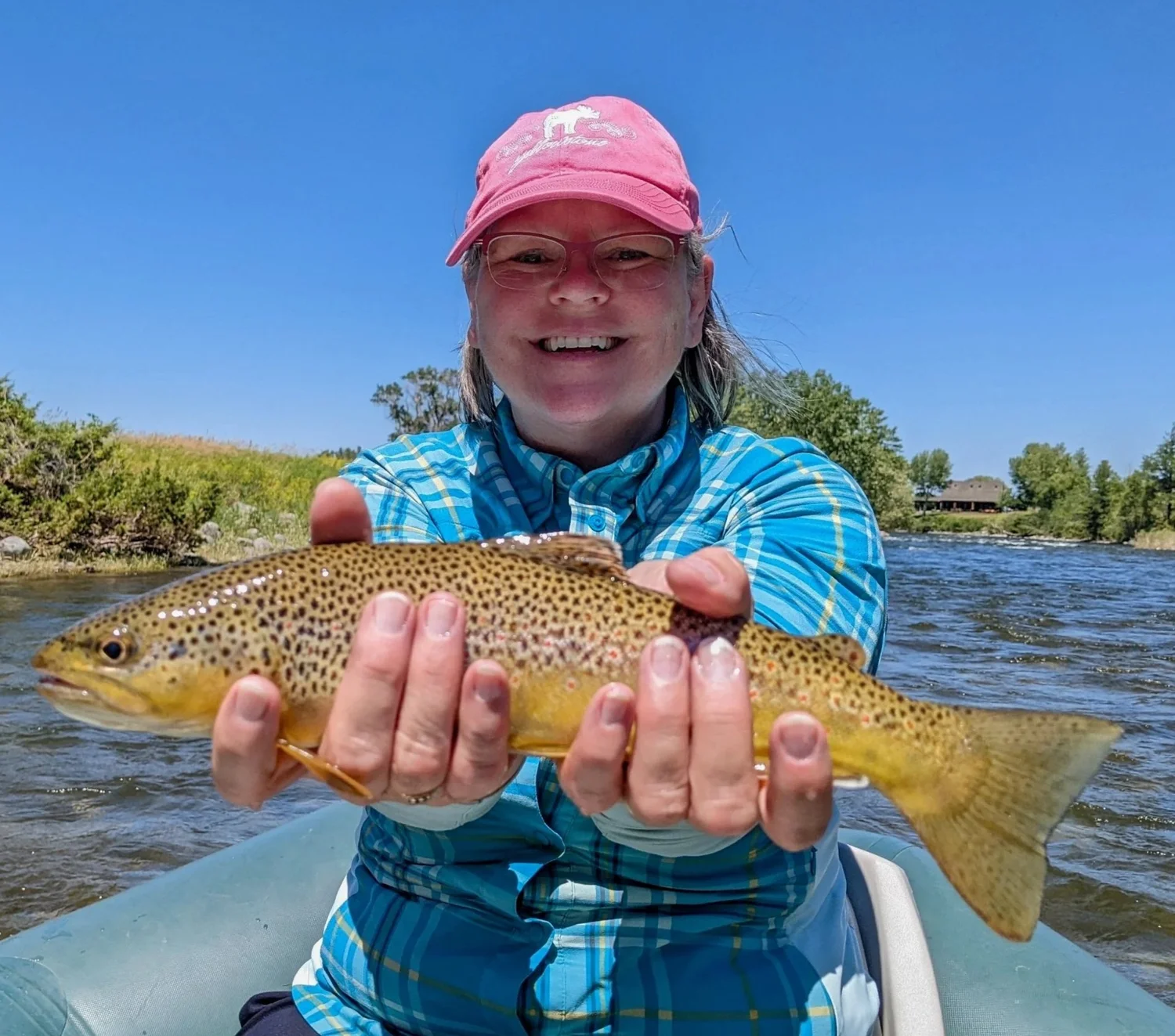
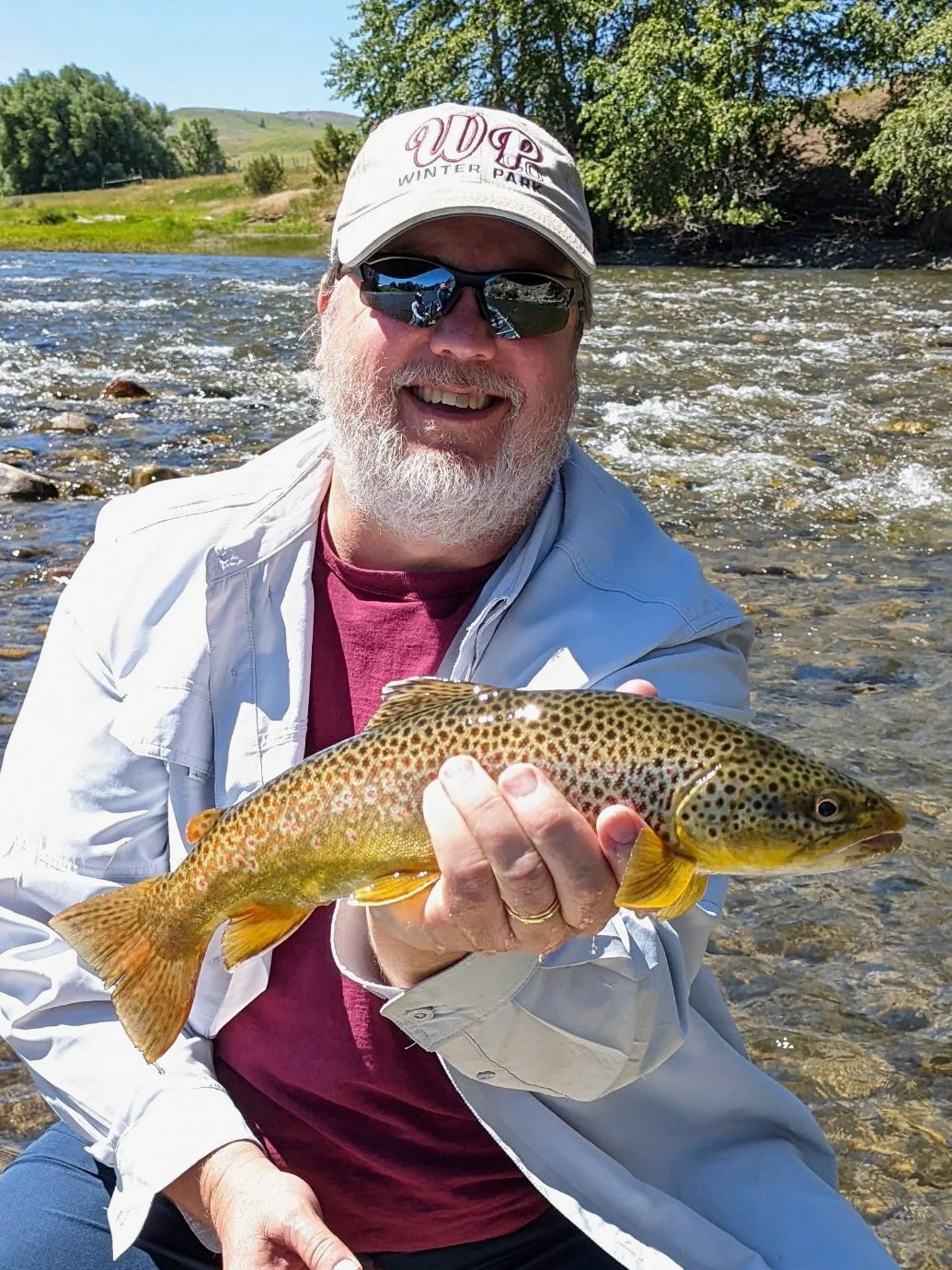
The Stillwater is known mostly for wild rainbow and brown trout. In many sections, rainbows make up a lot of the catch, while browns add the chance at a better fish.
Common Fish
- Rainbow trout: often a major part of the catch on the lower river.
- Brown trout: common throughout the lower river and capable of getting bigger.
- Occasional other trout: some upper-system water can hold other species, but the main float story is rainbows and browns.
Average Size
- A lot of fish run roughly 8 to 16 inches.
- Many days include plenty of lively 10 to 12 inch wild trout.
- Better fish can push into the high teens and occasionally around 20 inches.
What We’re Imitating
The Stillwater fishes like a classic Montana freestone: stoneflies, mayflies, caddis, and terrestrials layered over strong subsurface food. When the river drops into shape after runoff, it becomes a dry-fly and dry-dropper river with plenty of visible water.
Early And Mid-Summer
- Golden stoneflies: big bugs and high-visibility foam patterns in riffles and pockets.
- Yellow Sallies: smaller stones that keep fish looking up as flows mellow.
- PMDs: dependable mayfly activity in riffles and longer seams.
- Caddis: steady summer players, especially later in the day.
Late Summer
- Hoppers and terrestrials: often become the main game later in the season.
- Attractor dries: high-riding patterns that stay visible in broken current.
- Dry-dropper rigs: one of the most natural Stillwater setups.
- Simple nymph rigs: still useful when trout slide a little deeper or light changes.
You do not need a hatch chart memorized to fish this river well. The better plan is to book dates, then let us match the Stillwater to the right day inside your week.
Reaches Between Nye And Columbus
Prime Stillwater fishing water lies between Nye and the Yellowstone confluence at Columbus. Some reaches are tight, fast, and bouldery, while others open into longer riffles, seams, and shelves that are ideal for dry-dropper fishing. We choose sections based on flow, clarity, recent conditions, and your comfort level.
Rafts Only
We use rafts on the Stillwater. This is not a drift-boat river for our program. Rafts let us handle the boulder gardens, changing channels, and technical freestone structure much more safely and cleanly during the short period when the river is actually right to fish.
How It Fits The System
We rarely build a Stillwater-only week. Instead, it works best as one piece of a broader Livingston-area plan that can also include the Yellowstone, Boulder, spring creeks, or private water. That flexibility is what makes the Stillwater so valuable when its window opens.
Stillwater River Days
The Stillwater is a visual river — clear pockets, broken seams, and short opportunities that reward staying in rhythm. The photos here keep the page grounded in that fast, technical summer feel.
Who This River Fits
Beginners
We usually start true first-timers on the Yellowstone or easier current where we can teach fundamentals without rushing. If you already have some basic casting and mending skills, the Stillwater can be a great next step once flows are moderate and the river is in shape.
Intermediate Anglers
This is the Stillwater sweet spot. You will get a lot of chances to practice 20 to 40 foot casts, quick mends, and accurate presentations around boulders, shelves, and shifting current seams. It is a high-feedback river in the best way.
Advanced Anglers
Advanced anglers usually love the pace here. You can fish big dries tight to structure, run hopper-dropper rigs through complex pocket water, or adjust subsurface tactics when the river asks for it. When the Stillwater is right, it keeps strong anglers engaged all day.
Stillwater River Q&A
Is the Stillwater always available?
No. The Stillwater is a short-window river. Runoff, color, and late-season water temperatures can all take it off the board. That is why we use it when conditions say yes and pivot when they do not.
Where do I check Stillwater River flows?
You can check the public gauge here: Stillwater River near Absarokee.
What months are generally floatable?
In most years, the main guided float window is mid-July through mid-September, with some years opening a little earlier after runoff or lasting later on the lower river if conditions stay good.
Do you fish it from drift boats?
No. We use rafts on the Stillwater. That is the right tool for the kind of fast, rocky, technical freestone water we are dealing with here.
What flows are best for floating?
In general, 1000 to 1500 CFS is the best all-around range for a standard guided float, with broader floatability from around 800 to 2000 CFS depending on section and rower skill.
What fish are in the Stillwater?
Mostly rainbow and brown trout, with average fish often running from about 8 to 16 inches depending on the section and season, plus the occasional better fish pushing into the high teens or around 20 inches.
Can you pair the Stillwater with the Boulder?
Yes. They can make a great high-energy combo inside the same week. We usually spread them out and let conditions decide which day belongs to which river.
What happens if flows change right before my trip?
That is normal in Montana. You are booking dates and a guide, not a single river locked in months ahead of time. We watch conditions closely and move you to the water that gives you the best mix of safety, comfort, and fishing quality.
How much does a guided Stillwater trip cost?
$700 for a full-day float, the same as our other full-day offerings.
When the Stillwater drops into shape, it is one of the most fun freestones we fish: clear pocket water, wild trout, and dry-dropper fishing that keeps you engaged all day. The key is timing. Book your dates, and we will line up the Stillwater when its short window is actually open.
Full-day trip. The Stillwater is a raft-oriented river with real mileage, so we treat it as a full-day float and match it to the right day in your week.
Quick Planning
- Short-window freestone; timing matters more here than on many other rivers.
- Raft-only program built for fast pocket water and technical current.
- Main float season is usually mid-July into mid-September.
- Best all-around flow target is roughly 1000 to 1500 CFS.
Ready To Book The Stillwater?
- $700 full-day float.
- We help time the river around actual conditions, not wishful planning.
- If the Stillwater is not right, we move you to the best option in the system.