Boulder River Fly Fishing Guides Near Big Timber, Montana
The Boulder is a short-window raft river and one of the most fun freestones we fish when it lines up. We guide it as a full-day float only because the put-in, shuttle, and take-out make it too long for a true half-day trip, and the best rafting usually happens when flows are roughly 800 to 1500 CFS.
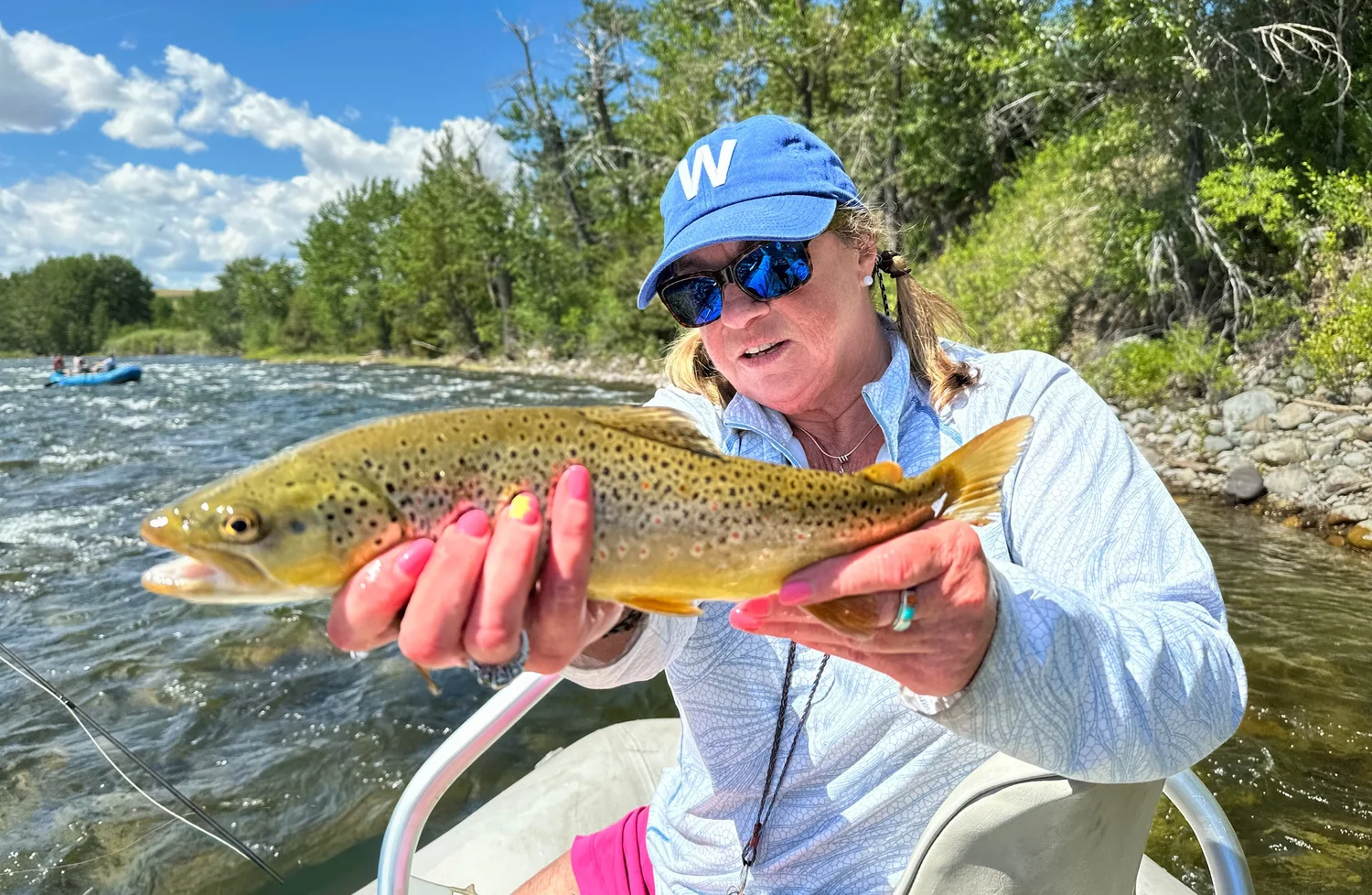
Boulder River Fly Fishing Near Big Timber
The Boulder is a lower-river raft fishery with a narrow band of really good conditions. Competitor guide pages describe it the same way: limited access, a short float season, and a river that is worth chasing when it drops into shape. [page:1][page:2]
Once runoff drops and the river clears, you get fast freestone water with pocket water, short seams, boulder gardens, and a lot of visual dry-fly water. Much of the lower river is bordered by private land, which is one reason rafts matter so much here. [page:1][page:2]
This is not a half-day river and not a drift-boat river. It is a full-day float-only river built around timing, travel, and conditions. [page:2]
Best Time To Float Fish The Boulder River
The most dependable float-fishing window usually falls from late June into July, with many outfitters pointing to early to mid July as the prime stretch once runoff drops and the lower river cleans up. [page:1][page:2][web:142]
Typical Window
- Late June: the lower river may start dropping into shape. [page:2]
- Early July: usually when the float window gets most interesting. [page:1][page:2]
- Early to mid July: often the prime full-day float stretch. [page:1][page:2]
- Late July: sometimes still good, but low water and heat can shorten the season fast. [page:2]
Why The Window Is Short
- Safe floating depends on hitting the right combination of flow and clarity. [page:1][page:2]
- The lower river is access-limited and boat-oriented. [page:1][page:2]
- Once flows drop too far, the lower river loses momentum quickly. [page:2]
- Warm late-summer afternoons can take the lower river off the board. [page:2]
Boulder River Raftable Flow Range
If you want the most useful planning number, the Boulder usually fishes best for guided raft trips at roughly 800 to 1500 CFS. Competitor pages describe the floatable lower river as highly flow-sensitive, with the best fishing happening once flows settle into a manageable midsummer band. [page:2]
How To Read It
- Above 1500 CFS: faster, pushier, and harder for many anglers to fish effectively. [page:2]
- 800 to 1500 CFS: the cleanest target range for guided full-day floats. [page:2]
- Below 800 CFS: low-water limitations can shrink the lower-river season quickly. [page:2]
Flow Link
Check the gauge here:
The gauge matters, but clarity, temperature, and whether the river is actually fishable from a raft that day matter too. [page:2]
What Lives In The Boulder
Competitor Boulder pages consistently describe the lower river as a wild trout fishery dominated by rainbow trout and brown trout, with some upper-river water holding cutthroat and cutt-bow fish, and the lower river also producing some very large mountain whitefish. [page:1][page:2][web:143][web:149]
Common Fish
- Rainbow trout: a major part of the lower-river catch. [page:2]
- Brown trout: common downstream of Natural Bridge and often stronger lower down. [page:2]
- Cutthroat and cutt-bows: more of an upper-river story. [page:2][web:143]
- Whitefish: common, and some are surprisingly large. [page:2]
Average Size
- Most Boulder trout are commonly described in the 8 to 16 inch range. [page:2][web:149]
- A lot of outfitters describe typical fish as roughly 10 to 14 inches or 10 to 15 inches. [web:143][web:387][web:479]
- Better lower-river fish can push into the 18 to 20 inch range. [page:1][page:2][web:149]
What Flies Make Sense On The Boulder
Competitor patterns and hatch charts line up well: the Boulder is a classic dry-fly and dry-dropper river when it is in shape, with Salmonflies, Goldenstones, PMDs, caddis, attractor dries, and later hoppers doing most of the work. [page:1][page:2][web:156][web:189][web:478][web:481]
Primary Summer Bugs
- Salmonflies: part of the short early-summer window. [page:1][page:2]
- Goldenstones: one of the most consistent Boulder summer bugs. [page:1][page:2][web:478]
- PMDs: important in July. [page:2][web:478]
- Caddis: steady summer players, especially later in the day. [page:1][page:2][web:481]
- Hoppers and terrestrials: become a bigger deal later in summer. [page:2][web:478]
Common Rig Style
- Big buoyant dries like Chubby Chernobyls or other foam attractors. [page:2][web:156][web:189]
- Dry-dropper rigs with stonefly, mayfly, or caddis nymphs below. [page:2][web:156][web:189]
- Attractor dries such as Royal Wulffs or similar visible rough-water flies. [web:156]
- Later-summer hopper rigs with a small weighted dropper. [page:2][web:156]
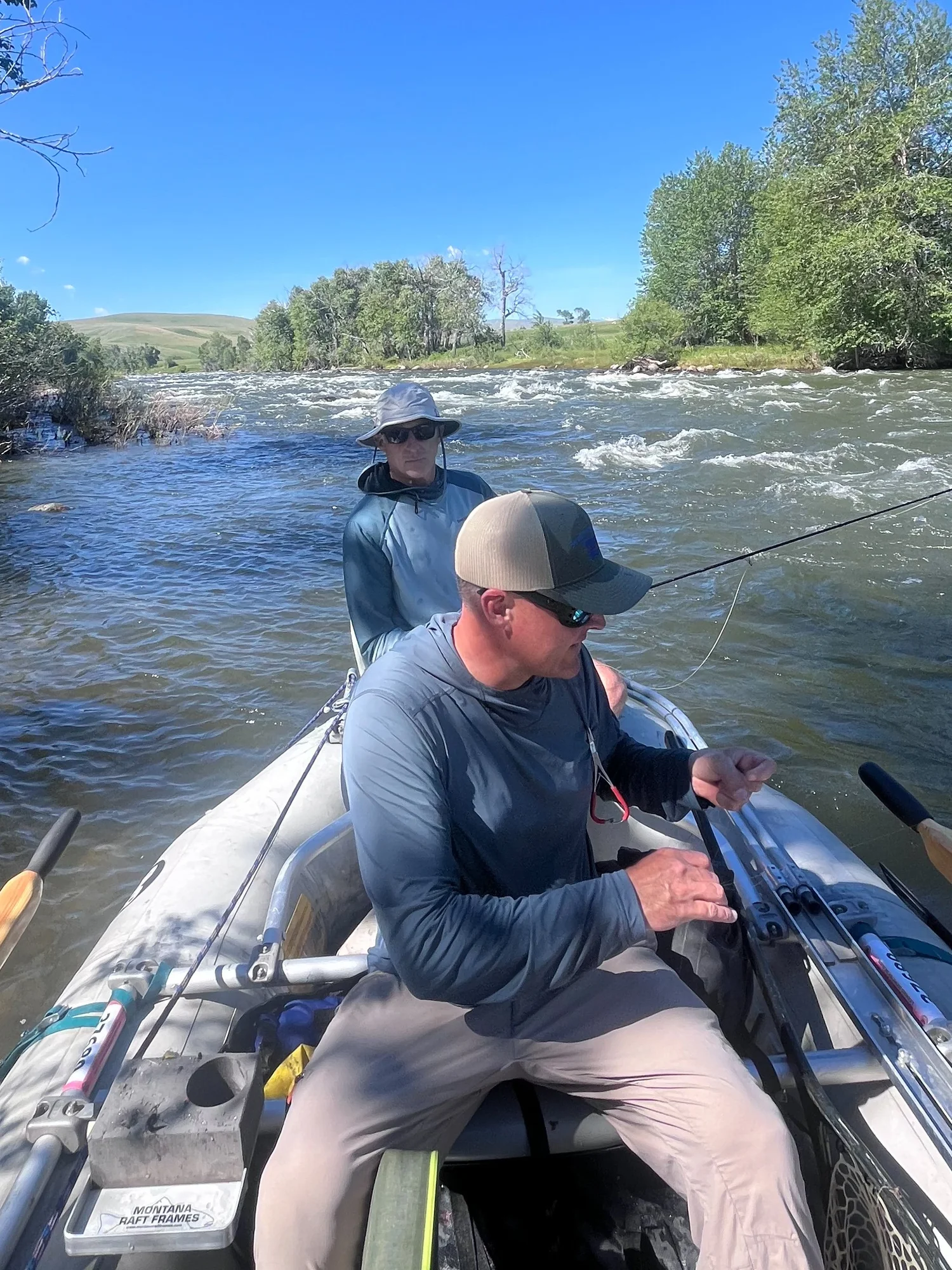
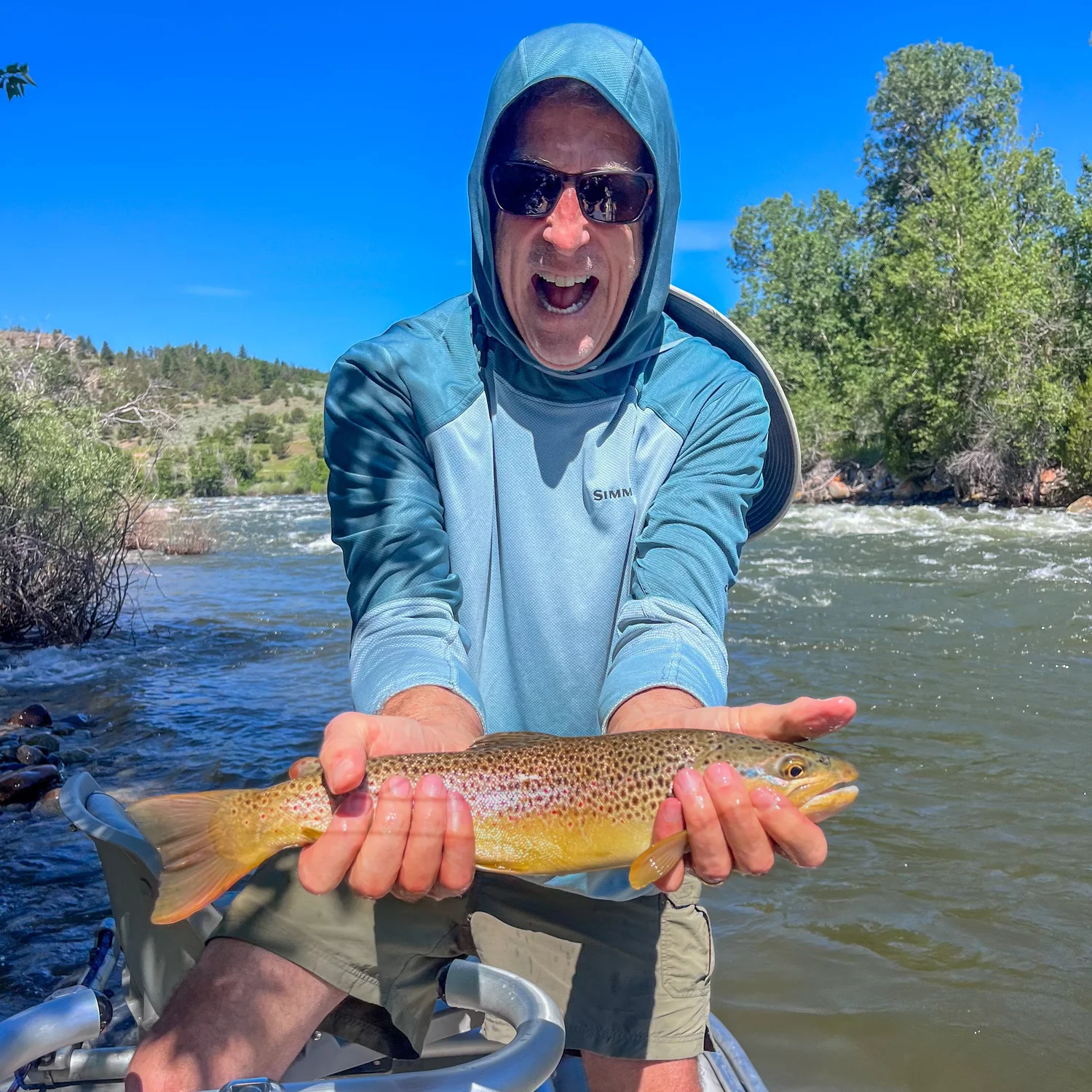
Why We Only Offer Full-Day Floats
We guide the Boulder as a full-day float only. The length of the shuttle, the put-in and take-out reality, and the pace of the river all make this a poor half-day fit and a much better full-day trip. [page:2][cite:440]
Why Full Day Makes Sense
- The lower river is access-limited and boat-oriented. [page:1][page:2]
- Put-ins and take-outs are not quick or polished. [page:2]
- A longer day gives the river time to fish the way it should. [cite:440]
- Trying to force it into a short trip works against the river. [page:2]
Why Rafts Are Required
- The Boulder is too rough and tight for drift boats. [page:2]
- Rafts handle rocky lanes and boulder gardens better. [page:1][page:2]
- Much of the lower river fishes best from the boat because bank access is limited. [page:1][page:2]
- It is a true conditions river, not an everyday standard float. [page:1][page:2]
Who The Boulder Fits Best
Competitor descriptions range from beginner-friendly to better for intermediate anglers, but the common theme is that the Boulder is fast, bouldery, and active. It is usually best for anglers who can cast on time, mend quickly, and enjoy a full-day raft pace. [page:1][page:2]
Best Fit
- Intermediate anglers with basic boat rhythm.
- Advanced anglers who like quick water and visible targets.
- People who enjoy drys, attractors, and short active shots.
- Anglers who are comfortable with a longer full-day trip.
Less Ideal Fit
- Anyone looking for a half-day option.
- People who want slow, forgiving water all day.
- Anyone expecting guaranteed Boulder conditions months in advance.
- Anyone expecting an easy drift-boat-style float.
Boulder River Questions
What is the best raftable CFS on the Boulder?
Roughly 800 to 1500 CFS is the most useful sweet spot for guided float fishing. [page:2]
What is the best time to float fish the Boulder?
Usually late June into July, with the prime stretch often landing in early to mid July. [page:1][page:2][web:142]
What fish are in the Boulder River?
The lower Boulder is mainly known for rainbow and brown trout, with cutthroat/cutt-bow fish more relevant higher in the system and plenty of whitefish in the lower river. [page:2][web:143][web:149]
How big are the fish?
Most competitor descriptions put common Boulder trout in the 8 to 16 inch range, with many fish around 10 to 14 or 10 to 15 inches and better lower-river fish reaching 18 to 20 inches. [page:2][web:143][web:149][web:387][web:479]
Why is this only a full-day float?
Because the put-in, shuttle, and take-out are too long to make a true half-day worthwhile, and the river fishes much better as a full-day trip.
What does a guided trip cost?
$700 for a full-day guided float, the same as our other full-day offerings. [cite:474]
The Boulder is one of the most fun rivers we fish when it is right: short window, rafts only, fast water, visible trout water, and a real full-day feel. If you want the best odds, watch for that roughly 800 to 1500 CFS range and stay flexible on dates. [page:2]
Full-day only. The Boulder is too long logistically for a half-day trip, so we guide it only as a full-day float.
What To Watch
- Best odds usually from late June into July. [page:1][page:2]
- Prime stretch often in early to mid July. [page:1][page:2]
- Float-fishing sweet spot around 800 to 1500 CFS. [page:2]
- Use the gauge, but also pay attention to clarity and temperature. [page:2]
Book Boulder Dates
- $700 full-day float. [cite:474]
- No half-day option because of the put-in and take-out length.
- If the Boulder is not right, we move you to the best water in the system. [cite:440]