Drift Boat Rowing Lessons on the Yellowstone River
Every season I hear from anglers who bought a drift boat or raft and want to feel more comfortable behind the oars. Some have floated a few times with friends and realized pretty quickly that rowing a river safely takes more thought than it looks. Others have spent years fishing from the bow and finally want to learn how to run the boat themselves.
Most people are not looking for guide school. They want time on the river with someone who rows every day and instruction that applies to the water they actually plan to fish. When you book a rowing class with Swan’s Fly Fishing, you are on the river with me. It is not outsourced, and it is not a group clinic.
Over 25 Years Rowing the Yellowstone
I have been rowing drift boats on the Yellowstone River for more than twenty-five years as a guide and outfitter based in Livingston, Montana. I have rowed this river in just about every condition it offers, from low late-summer flows to spring runoff and windy afternoons in Paradise Valley.
The Yellowstone is a great river to learn on, but it also demands respect. Different sections row differently, and understanding how current, wind, and water levels affect your boat is what builds confidence behind the oars.
Private Rowing Instruction, Not Guide School
A lot of rowing schools are set up like guide training programs. You show up with a group, follow a set curriculum, and work through drills with several other boats on the water. That works well for future guides, but most anglers simply want to feel comfortable running their own boat.
Rowing instruction at Swan’s Fly Fishing is private. Most days it is one person, but it can also be two people who book together, couples, friends, or fishing partners who want to learn side by side. Some want to move slowly and build confidence. Others want to challenge themselves and work through more technical situations. Because the instruction is private, we can work at the pace that makes the most sense for you.
Core Skills And Real-World Decision Making
- Boat control
- Reading current
- Ferry angles
- Boat speed and positioning
- Approaching structure safely
- Anchor use
- River hazards
- Boat ramp etiquette
- Decision making on moving water
Most rowing classes are done in one full day, though some anglers book two days if they want more time on the water. We usually start on beginner-friendly water and build from there.
March through June is often the best time to learn. River traffic is lighter, conditions are more manageable, and it gives you time to build skills before the busy part of the season.
Beginner-Friendly To More Technical Water
The Yellowstone is not one uniform stretch of river. Different sections row differently, and that variety lets us choose water that matches your experience level, the day’s conditions, and the skills you want to work on.
Beginner-friendly sections
Best for fundamentals, repetition, and building confidence without feeling rushed.
Intermediate sections
More decision-making, longer transitions, and better opportunities to work on timing and staying ahead of the boat.
More technical water
Used selectively when skill, goals, and conditions support it. More commitment, tighter transitions, and more precise reads.
Key point: You are not locked into easy water, and you are not pushed beyond your comfort level. As skills improve, the learning environment can progress with you.
The Boats
One advantage at Swan’s Fly Fishing is the variety of boats we use on the river. Each type of boat handles current differently, and understanding those differences can make you a better rower overall.

Traditional McKenzie-style wooden dories are light and responsive, which makes them excellent for learning timing, angle, and precise boat control in current.
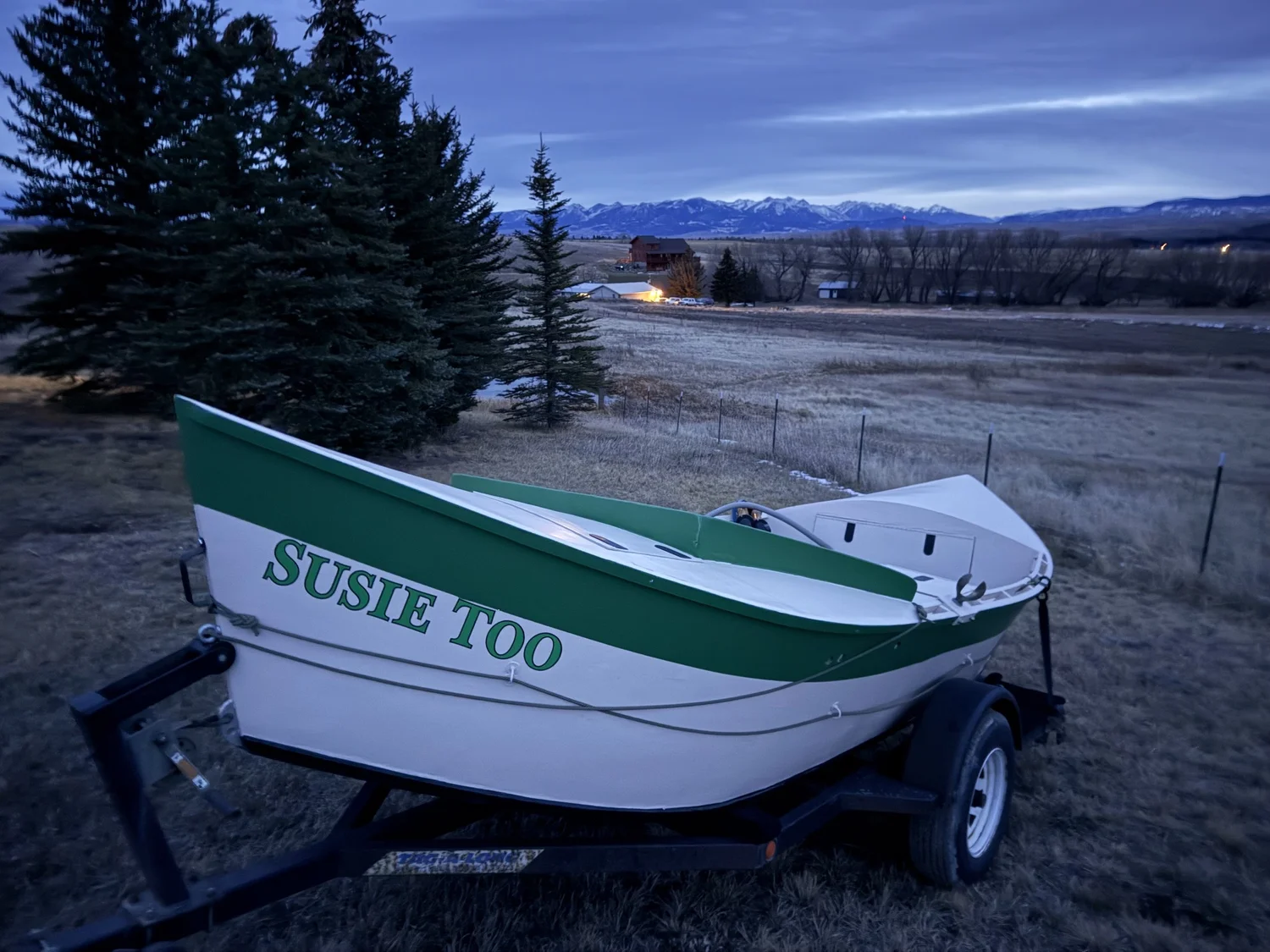
Larger dories handle differently and require more planning and stronger strokes, especially on bigger water where momentum and positioning become more important.
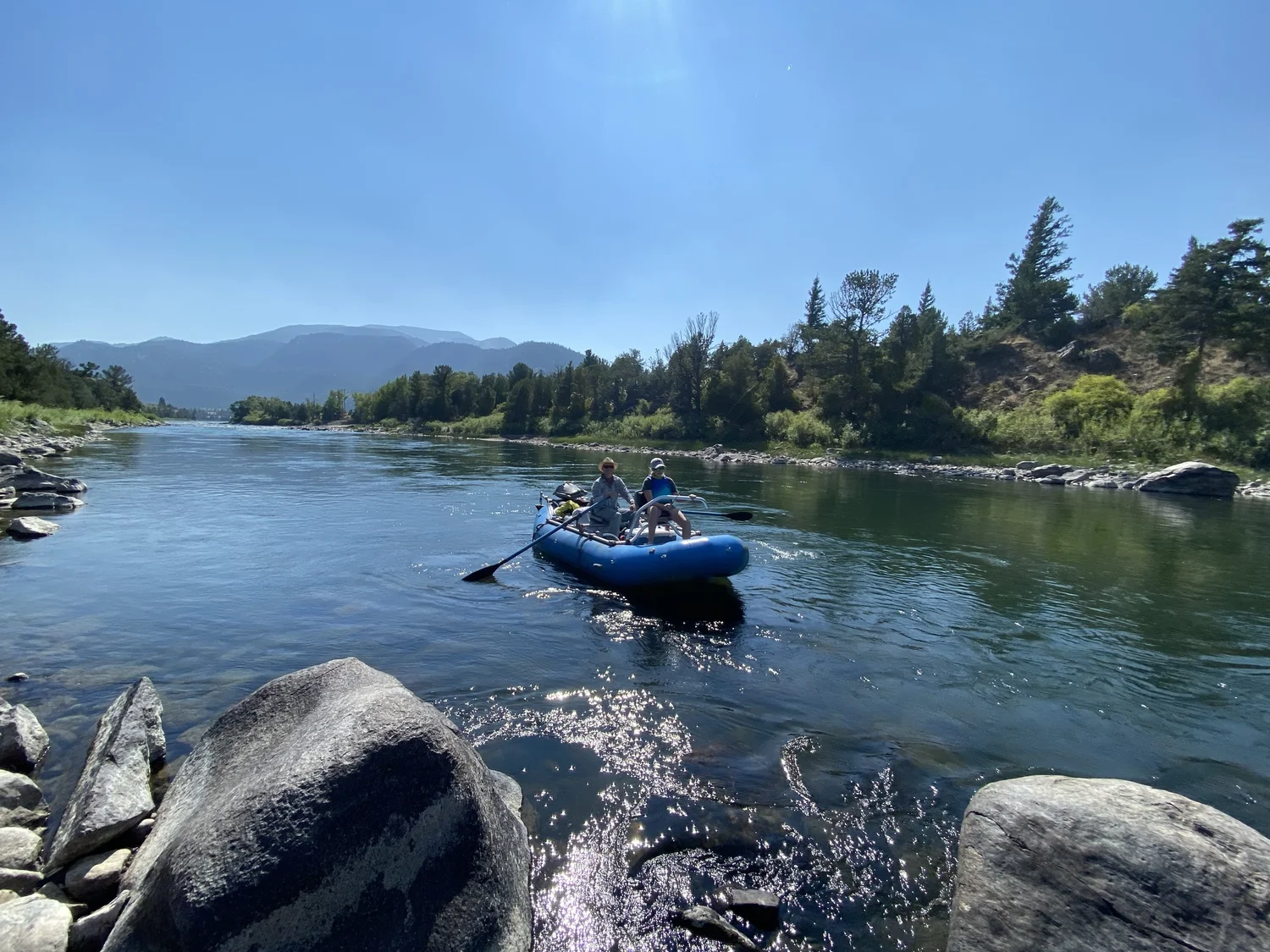
Rafts are forgiving and stable, which makes them a strong platform for building confidence while still learning how current and angle affect boat control.
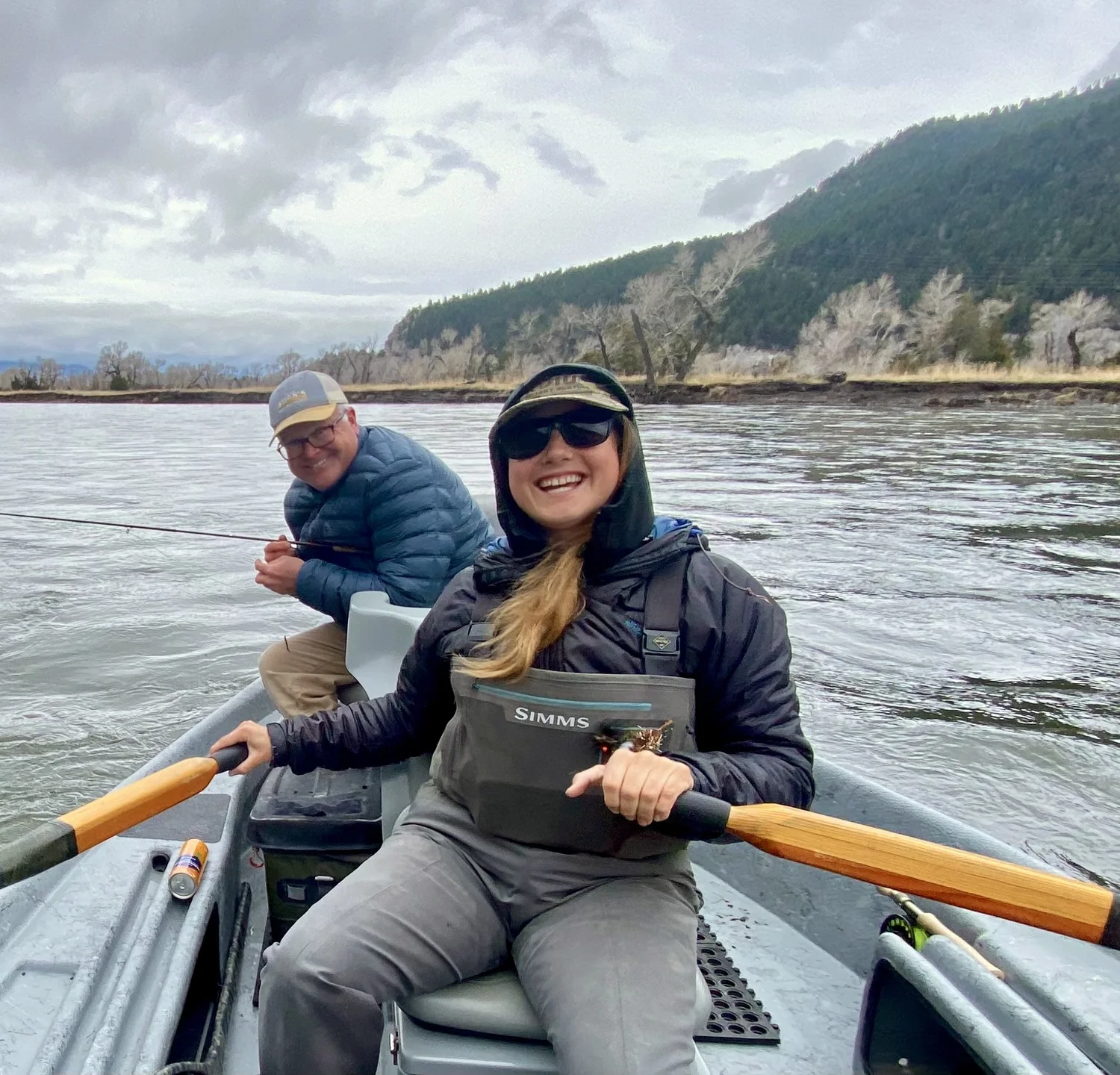
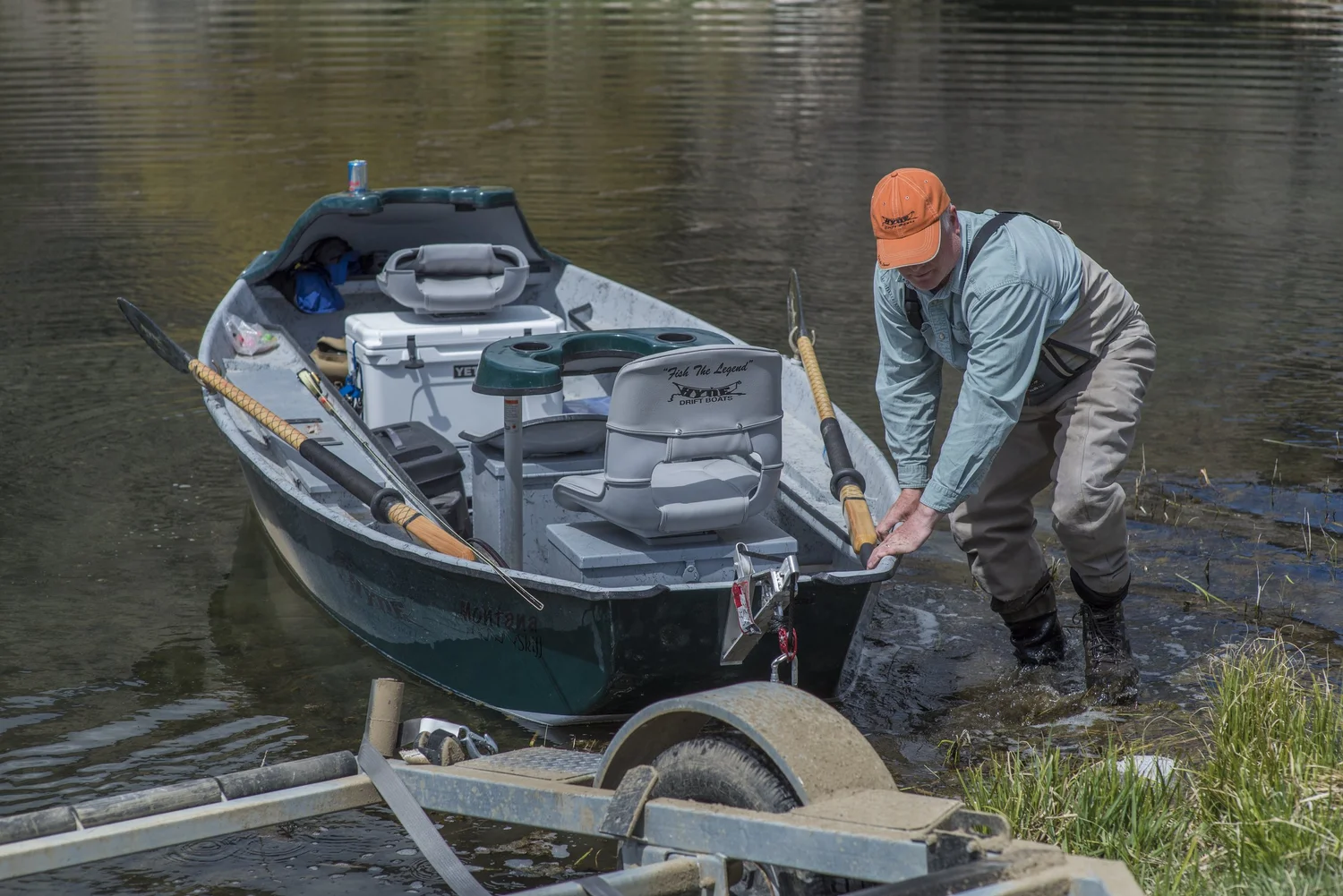
Modern drift boats like this are what many anglers own, so learning to position them well in current translates directly to better days on the river.
Bring your own boat: when conditions and logistics allow, we can teach on your drift boat or raft so the instruction applies directly to your setup and how you actually row day to day.
Best Time Of Year To Learn
March through June
This is often the best window. River traffic is lighter, conditions are usually more manageable, and it gives you time to build skills before the busy part of the season.
Summer and fall
Good for refinement and efficiency, but by then the Yellowstone is busier, afternoons can be windier, and many anglers are already floating with friends or family.
Built For Beginners, New Boat Owners, And Returning Rowers
Great fit if you
- Are new to rowing a drift boat
- Own a boat but do not feel fully confident
- Want better safety, awareness, and judgment
- Fish with a partner and want more control
- Want instruction that applies directly to real river situations
What you leave with
- More confidence behind the oars
- Cleaner lines and better positioning
- Better decisions in variable conditions
- Practical skills you can apply right away
Private Rowing Instruction
Rowing lessons are offered as private instructional days on the Yellowstone, the Madison, and other local waters depending on conditions. Meeting locations are chosen near Livingston based on flows, weather, and what you want to work on.
Common Questions
Do I need my own boat?
No. Boats and equipment are provided. When conditions and logistics allow, instruction can also be taught on your own drift boat or raft.
Is this suitable for beginners?
Yes. Many participants are brand new to rowing. A river section is selected to match your experience level and the day’s conditions.
Is fishing part of the day?
The focus is instruction first. The priority is rowing skill, safety, awareness, and decision-making on moving water.
When does instruction usually start each year?
Most people take rowing instruction in the spring. March, April, May, and June are usually the best time to build skills before summer traffic increases.
Can two people book together?
Yes. Private instruction works well for one person or for two people who already know each other and want to learn together.