Yellowstone River Fly Fishing Guides Near Livingston & Paradise Valley, Montana
The Yellowstone is the home river for Swan's Fly Fishing — a guided drift boat program based in Livingston, running Paradise Valley and the full corridor from Gardiner to Big Timber. You reserve the day; we match flows, clarity, weather, and experience level to the right stretch of river.
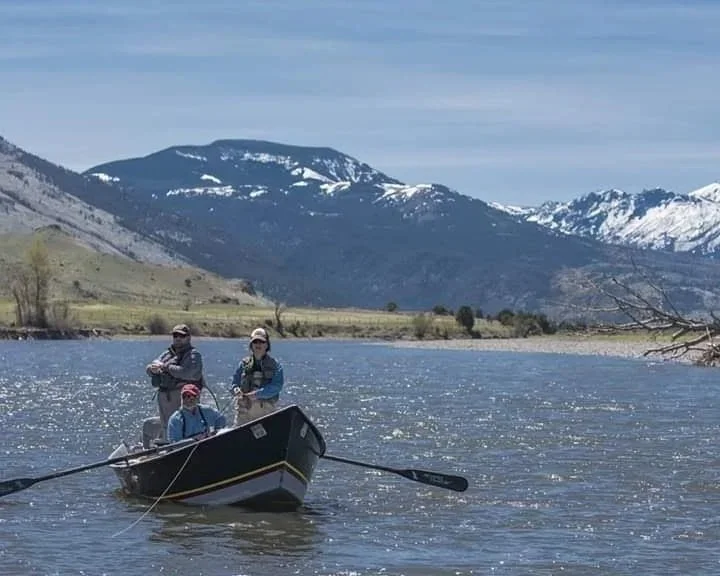
Yellowstone River Guided Fly Fishing — Livingston, Montana
The Yellowstone River is the core of Swan's Fly Fishing — a guided drift boat program based in Livingston that ties together Paradise Valley, the canyon water above Gardiner, and the wider freestone corridor running east toward Big Timber. It is the river most guests float, and the one the guides know best.
From the boat, we cover more than one hundred miles of river between Gardiner and Big Timber, adjusting sections as flows, clarity, wind, and traffic change. Some days call for a faster canyon float; other days make more sense in the valley or farther east where the river spreads out, braids, and slows into classic rainbow and brown trout water.
Most Yellowstone trips are full-day drift boat floats. The river rewards using the boat well — reading seams, setting angles, and moving from one good piece of water to the next rather than forcing a single plan all day.
When the Yellowstone is not the right answer, we pivot honestly. Madison drifts, smaller freestones, Paradise Valley spring creeks, and private lakes near Livingston keep your trip built around fishable water instead of wishful thinking.
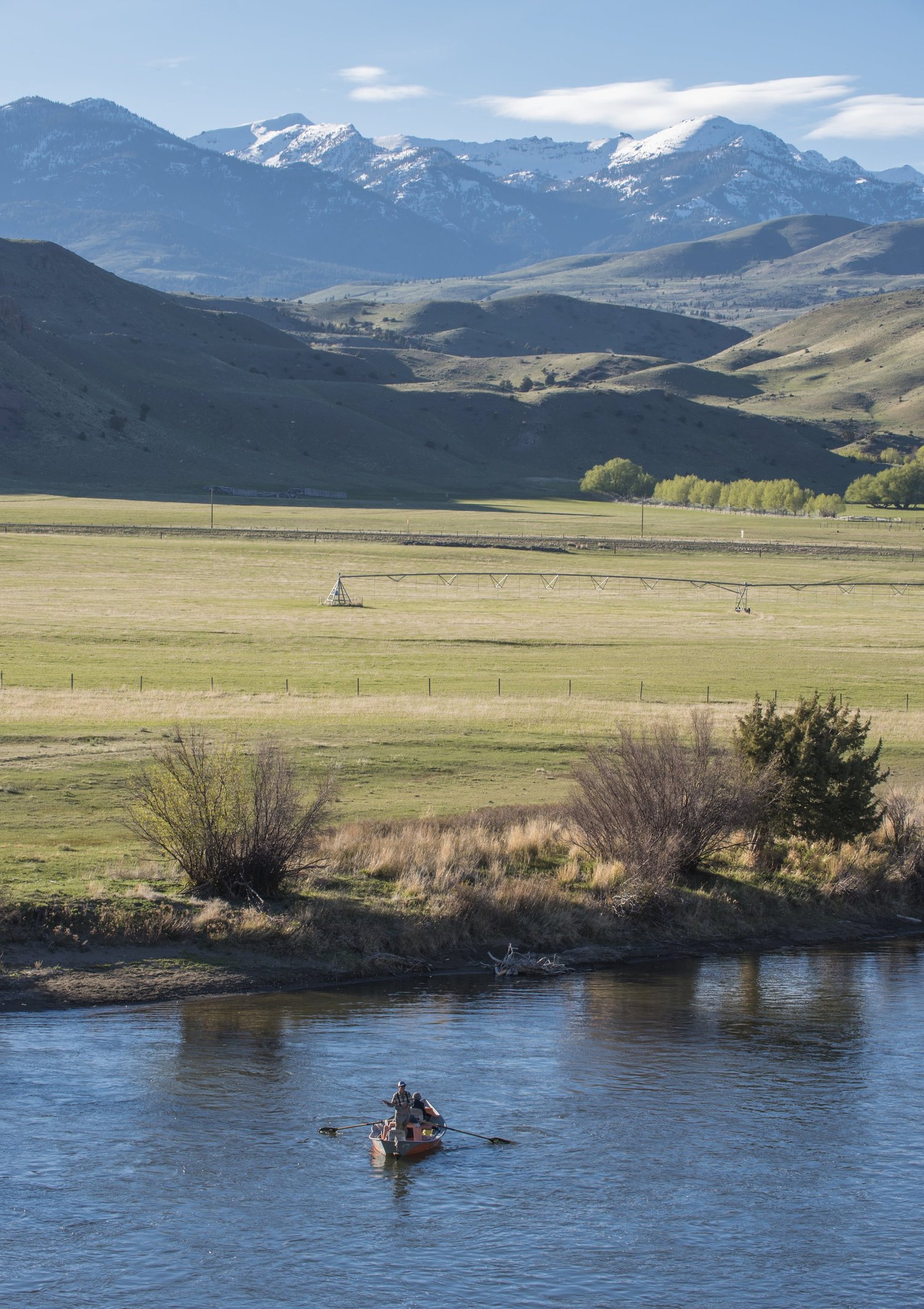
When to Fish the Yellowstone River Near Livingston
There is no single best month on the Yellowstone. The better approach is to understand what each season does well and match your dates to the right water near Livingston or Bozeman.
Late winter and spring: Before runoff, we look for stable flows and clean water. Nymphing, midges, and blue-winged olive (Baetis) windows can produce quietly excellent days on the Yellowstone and Paradise Valley spring creeks.
Summer: Once runoff drops, the Yellowstone turns into classic big-water dry-fly fishing. Stoneflies, caddis, PMDs, hoppers, ants, beetles, and attractor dries all have a place — this is the most popular window for Livingston and Bozeman-area visitors.
Fall: Cooler nights, fewer boats, and strong windows for blue-winged olives, mahogany duns, and streamers targeting large rainbow and brown trout. One of the best-kept seasonal secrets on the Yellowstone near Livingston.
Winter: When weather allows, we float short sections near Livingston. When it does not, we shift to Paradise Valley spring creeks, private lakes, or the Lower Madison — all within easy range.
Yellowstone River Float Trip Sections — Gardiner to Big Timber
Gardiner to Yankee Jim Canyon: Fast pocket water, boulders, and a touch of whitewater just north of Yellowstone National Park. Scenic, energetic, and best for anglers comfortable making quick casts from a moving drift boat.
Paradise Valley: The classic Yellowstone look — long glides, riffles, side channels, and broad Absaroka mountain views. This is the most popular stretch for guided fly fishing near Livingston and is versatile water for mixed experience levels and varied tactics.
Livingston to Big Timber: Wider, often more braided, and usually quieter than the valley. A good match for late-summer terrestrials and fall streamer days when flows and clarity line up east of town.
Section choice depends on flow, clarity, wind, recent fishing, and what you want from the day. A big part of good guiding on the Yellowstone River near Livingston is knowing when to slide upstream, downstream, or to another river entirely.
Who Yellowstone River Drift Boat Trips Fit Best
Built for:
Anglers who want to cover water, see different river structure in a single day, and learn while they fish. Especially good for newer and intermediate anglers — including Bozeman and Livingston-area visitors — who benefit from calm, steady coaching from the drift boat. Also a strong fit for mixed-experience groups and families wanting a full Montana river day.
We may steer you elsewhere if:
You want technical sight-fishing to single rising fish all day, very small wade-only water, or conditions line up better on a Paradise Valley spring creek, private lake near Livingston, or another regional river.
What a Guided Yellowstone River Float Trip Includes
Most trips are full-day drift boat floats. We meet in Livingston or at a convenient access point, talk through your goals and experience level, and choose a Yellowstone River stretch that fits current conditions and the kind of day you want.
On the water, your guide handles all rowing and drift boat positioning so you can focus on timing, angles, mends, and clean drifts. Full-day trips on the Yellowstone include a streamside lunch; half-day floats follow the same rhythm on a shorter section and work well for families, Bozeman day trips, or travel-day schedules.
The style is instructional without being overbearing. The goal is to help you fish well that day on the Yellowstone and leave with a clearer sense of how to read big freestone water anywhere in Montana or beyond.
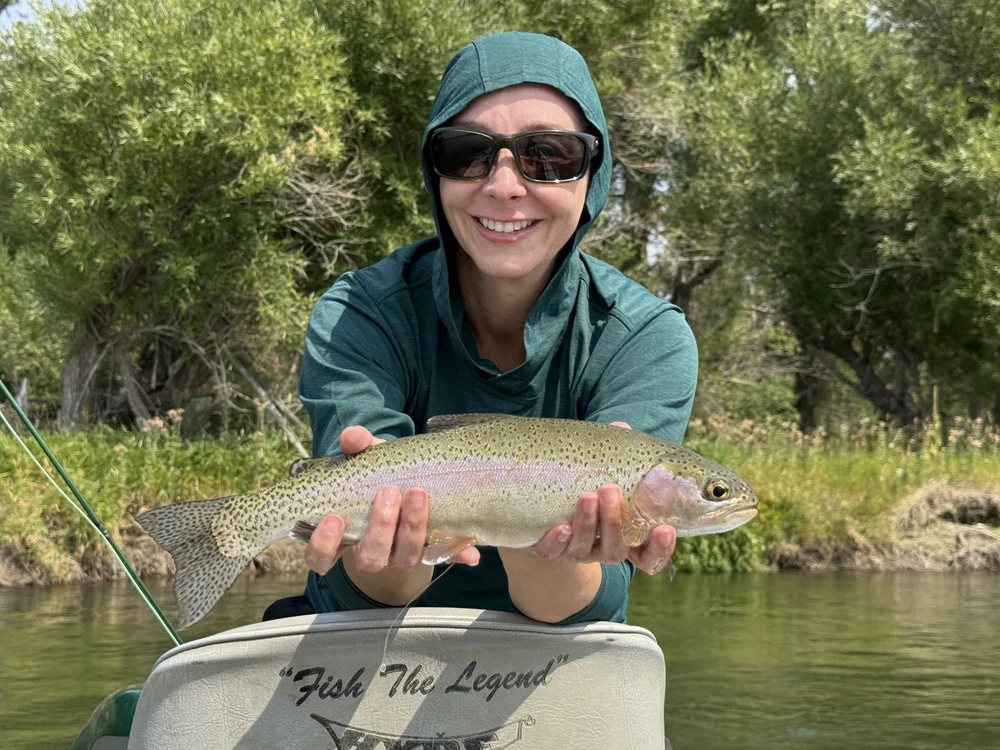
Other Waters Near Livingston When Conditions Shift
Big freestone rivers have honest moods. When flows, clarity, wind, or temperatures say the Yellowstone near Livingston is not the right answer, we pivot rather than forcing it — and there are strong options close by.
Drift boat and freestone backups:
Madison River — dependable drift boat option near Ennis when the Yellowstone is high or off-color, about an hour from Livingston and Bozeman.
Boulder and Stillwater Rivers — smaller freestone rivers near Big Timber with fast pocket water when levels line up.
Technical and stillwater options:
Paradise Valley spring creeks — DePuy's and Armstrong's just south of Livingston. Clear, technical water when you want precision sight-fishing year round.
Private lakes near Livingston — quieter stillwater days with room to work on retrieve and presentation, strong for families and beginners.
Booking a Yellowstone River guided trip near Livingston really means booking the best water available for your dates and goals — with the Yellowstone as the first choice whenever conditions say yes.
Yellowstone River Fly Fishing FAQ — Livingston, Montana
What does a guided Yellowstone River drift boat trip cost?
When is the best time to fish the Yellowstone River near Livingston?
What sections of the Yellowstone River do you float?
Is the Yellowstone River good for beginner fly fishers?
How far is the Yellowstone River from Bozeman?
Do I need fly fishing experience?
What if the Yellowstone River is not fishable on my day?
If you already have dates in mind, the easiest next step is to check availability on the Yellowstone and hold the right day. If you are still planning a Livingston or Bozeman-area fly fishing trip, a quick call or text with your dates and where you are staying is enough to start building the day.
Yellowstone River Fly Fishing Guides · Near Bozeman, MT
Montana Licensed Outfitter #26324