Lower Madison River Winter Fishing Near Bozeman, Big Sky, & Livingston
Winter fishing in Montana is about timing. Some days line up. Some don’t. What matters is choosing water that still makes sense when everything else slows down.
That’s where the stretch of the Madison River below Ennis Lake, known as the Lower Madison, stands out. As a tailwater, it stays open, clear, and stable enough for trout to continue feeding through the winter, making it one of the most consistent cold-season fisheries near Bozeman, Big Sky, and Livingston.
It’s also a river that works for a wide range of anglers. For beginners, the Lower Madison is approachable, with predictable holding water, simple winter techniques, and clear structure that makes learning easier. Our focus is on hands-on instruction and building fundamentals that carry to every Western river. For experienced anglers, that same water offers technical drifts, precise presentations, and the chance to slow down and fish with intention.
Winter is unpredictable, so we stay flexible. If conditions change, we adjust. Whether you’re learning or refining your skills, the goal is the same: a good day on the water, not forcing one.
Why the Lower Madison Is Beginner-Friendly in Winter
A lot of winter fly fishing can feel intimidating. Cold fingers, fewer bites, and lots of technical talk. The Lower Madison is different because it rewards a simple plan and good instruction.
Here’s why it’s a great place to learn:
Stable flows and clear water make it easier to read the river and see where fish should live
Defined structure (seams, buckets, inside bends) gives beginners clear targets instead of “random looking water”
Winter fish set up predictably, so you don’t need to cover miles to find them
Nymphing is the main program, and it’s the best way for new anglers to learn core skills that translate everywhere
Midday timing is comfortable and practical: fish the warmest part of the day and be done before it gets cold
Most importantly, winter forces good habits: slower pace, better drifts, and more intention. For newer anglers, that’s a good thing.
What Beginners Learn Here That Carries to Every River
If you’re newer to fly fishing, a good winter day isn’t just about catching fish. It’s about building fundamentals.
On the Lower Madison we focus on:
Setting up a clean drift (drag-free, controlled, and repeatable)
Depth control (the single biggest difference-maker in winter)
Reading seams and buckets so you’re not guessing
Learning strike detection and hook sets without overthinking it
Making simple adjustments instead of changing everything every 10 minutes
These are the exact skills that help you on the Yellowstone, the Upper Madison, spring creeks, and pretty much any Western river.
Why the Lower Madison Works in Winter
The Lower Madison checks the boxes for cold-season fishing:
Tailwater flows mean more stable winter conditions
Productive structure that fishes well when temperatures are low
Options for both guided drift-boat fishing and wade fishing
Close to Bozeman, Big Sky, and Livingston with short drive times
Fishable during the warmest part of the day and back to town before dark
It’s not about numbers. It’s about quality water, good fish, and a quiet river.
Guiding the Lower Madison
We guide the Lower Madison when winter conditions are right. Our trips operate from Warm Springs downstream, which is where we fish commercially. This stretch is led by Outfitter Matt Swan, our go-to Lower and Upper Madison guide Bill Schoonover, and Matt Kelly.
Winter fishing here is all about understanding structure, depth, and timing. This is a river where experience matters. When conditions line up, it can produce technical fishing, strong fish, and some of the most rewarding days of the season.
If you’d like to learn more about us, you can find our bios on the Meet Our Guides page.
Drift-Boat Fishing on the Lower Madison
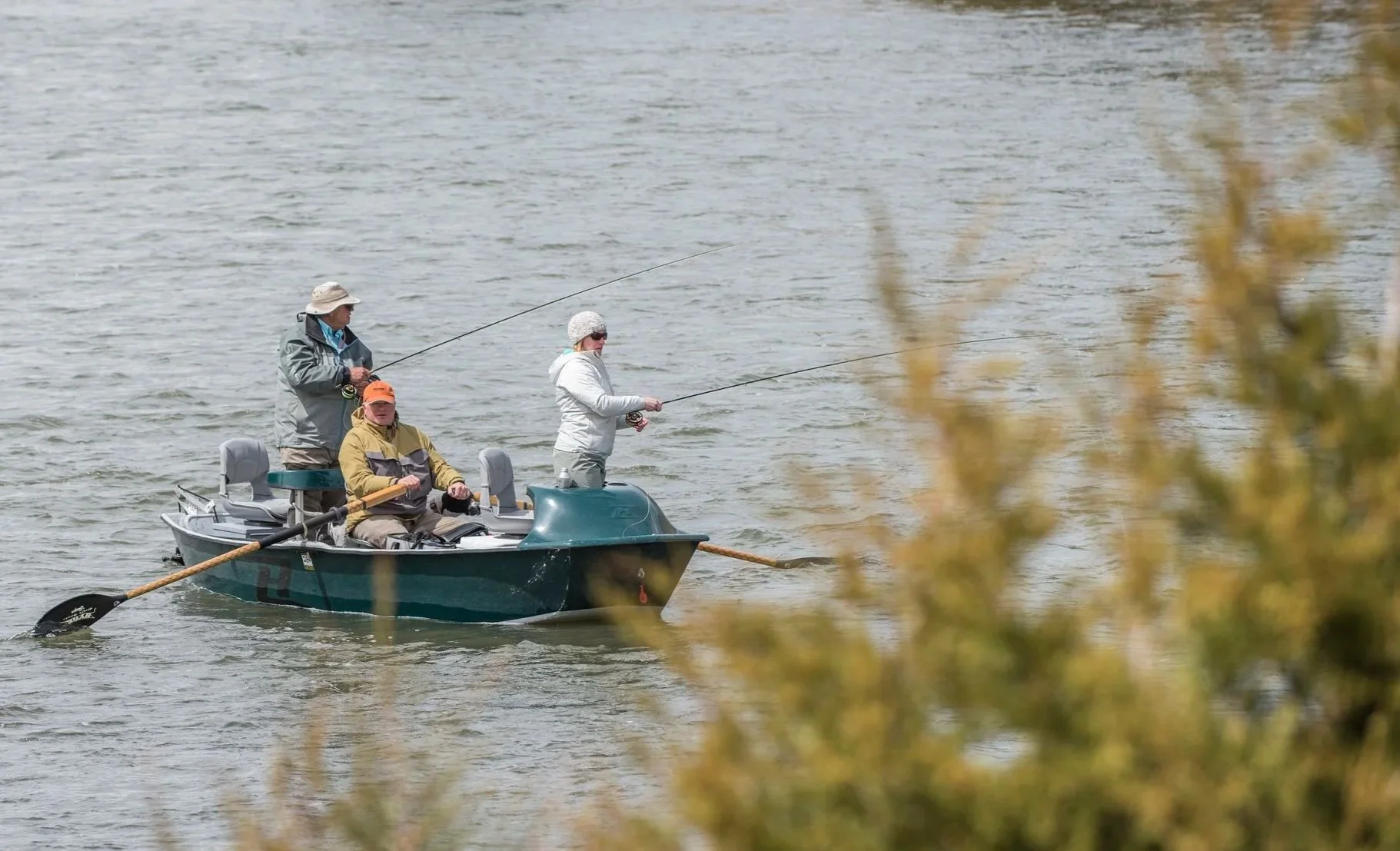
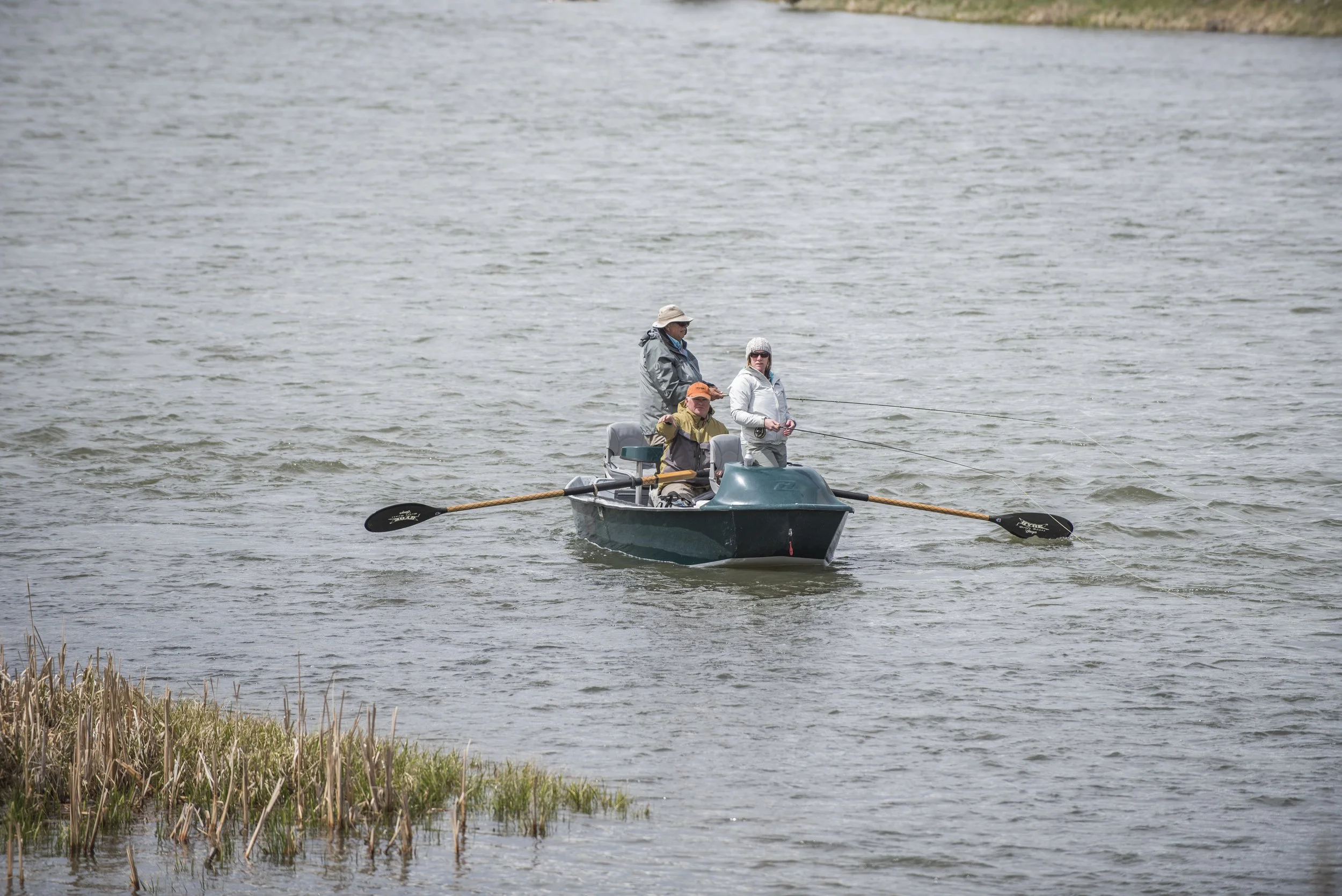
Below Warm Springs, the river opens into excellent drift-boat water. A boat allows us to move efficiently between runs while still focusing on the holding water that matters most in cold conditions.
Drift-boat fishing is ideal in winter because it lets us:
Cover productive structure without unnecessary wading
Stay flexible as light, wind, and temperatures change
Target deeper buckets, inside bends, and soft edges that consistently hold fish
Most winter days are about precision rather than distance. We row only as far as the next piece of good water and spend our time fishing it thoroughly.
For anglers staying in Bozeman, Big Sky, or Livingston, this makes for a clean winter plan without long shuttles or big drives.
Wade Fishing on the Lower Madison
Wade fishing is also a strong winter option on appropriate public access sections downstream of Warm Springs boat ramp. When conditions are safe and productive, wading allows anglers to slow down, work structure carefully, and focus on specific holding water.
If you’re heading out on your own:
Fish late morning through mid-afternoon
Focus on slow water and depth
Expect fewer chances, but better fish
Slow down and fish deliberately
Winter fish stack into predictable water. If your depth is right, you’ll move fish. If not, the river can feel quiet quickly. Precision matters more than covering miles.
What Winter Fish Are Doing
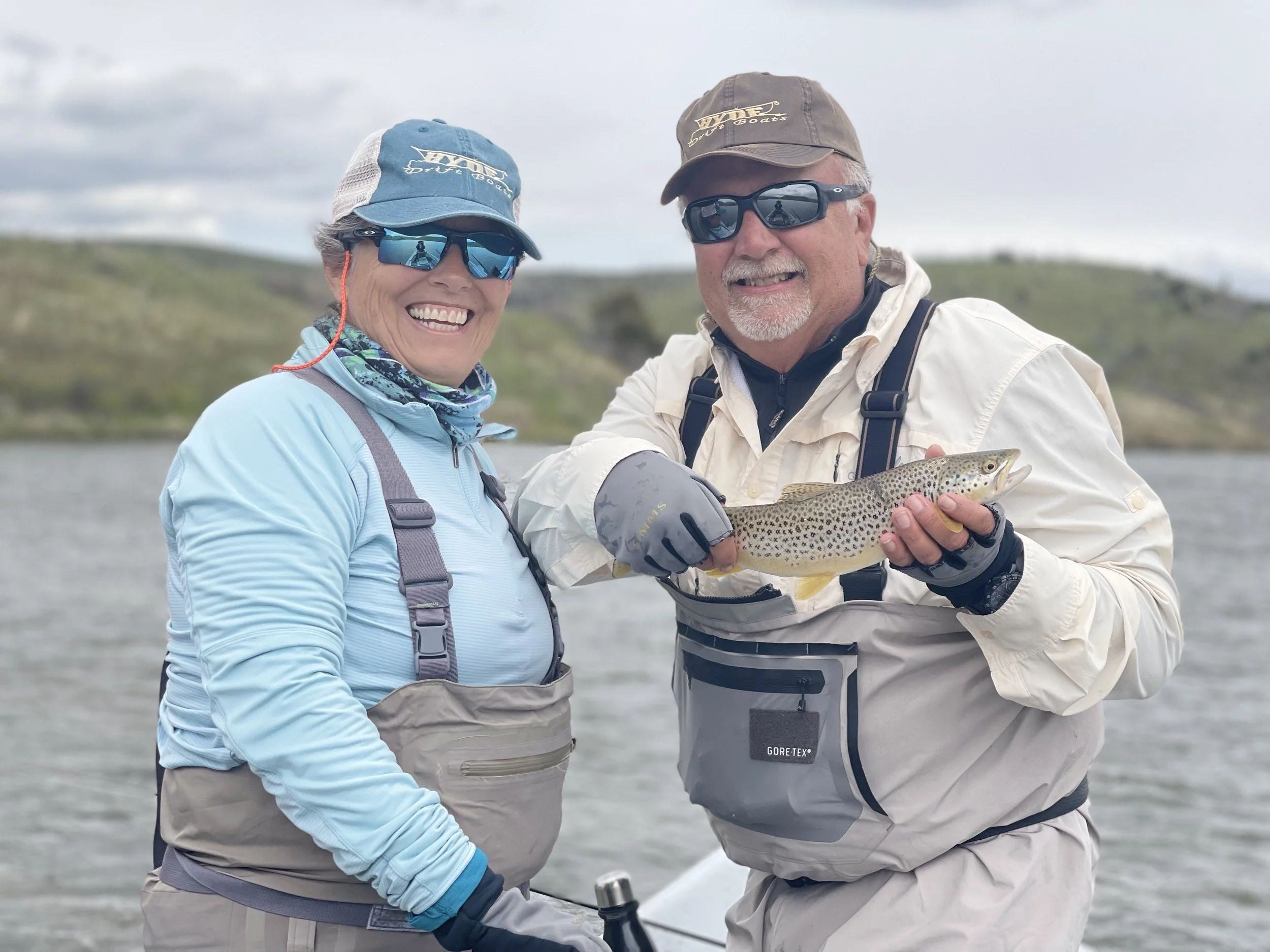
In winter, trout settle into consistent holding water where they can conserve energy:
Inside bends with softer current
Deeper buckets and tailouts
Slow edges along banks and structure
If the depth is right, you’ll move fish. If it isn’t, the river can feel empty fast. Winter fishing on the Lower Madison is about reading water carefully and fishing with intent, not simply drifting through miles of river.
How We Fish the Lower Madison
Nymphing
Midges, baetis, sow bugs, and small attractors fished deep are the most consistent winter program. Drift and depth matter more than fly choice most days. Clean contact, controlled speed, and precise depth adjustments are what turn slow days into productive ones.
Crawfish Patterns
Crawfish are one of the most overlooked winter tools on this river. When edges warm just enough, trout will slide shallow and eat a bigger, slower meal. We fish them two ways:
Dead-drifted tight to structure
Slowly stripped from the bank on calm afternoons
These often produce the most aggressive eats of the day.
Dry Flies
Not every day, but they happen. Short midge or baetis windows on calm afternoons can bring fish to the surface. Technical, brief, and absolutely worth being ready for.
What Conditions Matter Most
Winter success on the Lower Madison is dictated by a few key variables:
Water temperature: Even small midday increases can trigger feeding windows
Light: Overcast days often fish longer; bright days compress the bite
Wind: Calm afternoons allow better drifts and occasional surface activity
Flows: Stable winter releases keep structure predictable and fishable
We plan each day around these factors during the winter months, not around a calendar date.
Planning Your Lower Madison Trip
If you’re staying in Bozeman, Big Sky, or Livingston and considering a winter day on the water, the Lower Madison is one of the most reliable cold-season options in the region.
Most winter trips focus on the warmest part of the day, prioritize quality over quantity, and are built around safety, conditions, and realistic expectations.
If it feels like the right fit, you can book a winter trip directly through our site. No pressure. Just fishing when the timing is right.