Madison River Fly Fishing Near Ennis, Montana — Upper & Lower Float Trips
The Madison is one of Montana's most dependable fly fishing rivers — with dam-controlled flows on the Upper and cold-water influence through much of the system, it often fishes well when nearby freestones are too high, too dirty, or too warm. About an hour from Bozeman and Livingston, we treat the Upper and Lower Madison as two different fisheries and match your dates to the stretch that makes the most sense for rainbow and brown trout.
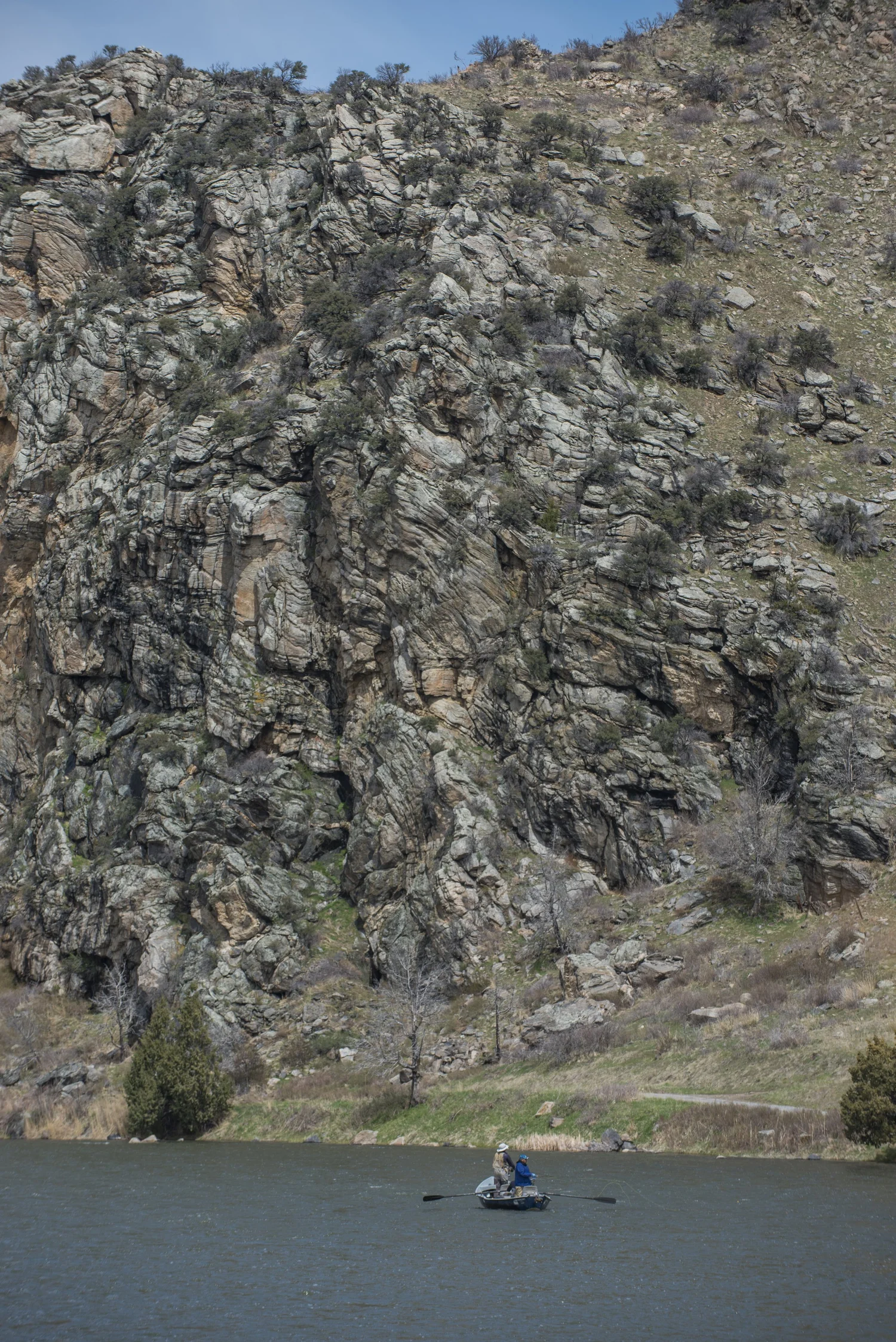
Madison River Guided Fly Fishing — Near Ennis & Bozeman, Montana
The Madison is one of the most useful rivers in a Montana guide calendar — and one of the world's most recognized fly fishing destinations. It stays in play through conditions that shut down nearby freestones, it holds an estimated 3,000 to 5,000 rainbow and brown trout per mile in its best stretches, and it offers two genuinely different kinds of water depending on where you fish. [web:87]
Above Ennis Lake, the Upper Madison is fast, rocky, and full of riffles and pocket water — what regulars call the "50-Mile Riffle." Below Ennis, the Lower Madison spreads into a broader valley, slows around weed beds, and fishes more like a technical spring-influenced river with clear seam edges and defined structure. [web:89]
That split is why the Madison earns its place as both a primary destination and a reliable backup. When conditions line up it can be the best call outright — not just a safe one when the Yellowstone is running high.
We are based in Livingston, about an hour from the Ennis area. Most Bozeman visitors make the drive as a full day; guests staying near West Yellowstone have the Upper Madison close by. Either way, section choice and timing are matched to what is actually fishing on your dates.
When to Fish the Madison River Near Ennis — Seasonal Hatch Guide
The Madison fishes year-round, but each season has a different character and a different best section. Here is what to expect and when. [web:89]
Early spring (March–April): Steady nymphing with midges and blue-winged olives on calm afternoons. The Madison often comes into shape before nearby freestones, making it a strong early-season option from Bozeman or Livingston.
Late spring (May–early June): Baetis, March Browns, and the legendary Mother's Day Caddis hatch can all produce excellent dry-fly fishing, especially on the Lower Madison near Warm Springs. [web:94]
Runoff (late May–June): The Upper Madison — with its dam-regulated flows from Hebgen Lake — often clears and stabilizes faster than any surrounding freestone. This is the biggest reason it becomes such an essential guide river in early summer. [web:89]
Early summer (late June–July): Salmonflies, Golden Stoneflies, PMDs, Yellow Sallies, and caddis all have meaningful windows on the Upper. The Palisades-to-McAtee float is widely considered one of the best salmonfly floats in the region when timing lines up. [web:94]
Late summer (August): Hoppers, ants, beetles, and caddis keep the dry-fly program alive on the Upper. We watch water temperatures carefully on the Lower and often shift timing or move to the Yellowstone when afternoon temps climb.
Fall (September–October): Fewer boats, cooler water, blue-winged olives, mahogany duns, and serious streamer fishing for large rainbow and brown trout. One of the best-kept seasonal windows on the Madison near Ennis.
Winter: Select Lower Madison days below the Beartrap can fish well. When conditions do not cooperate, we shift to the Yellowstone near Livingston, Paradise Valley spring creeks, or other nearby options within easy range.
Upper vs. Lower Madison — Which Section Is Right for You?
Upper Madison — The 50-Mile Riffle
From Hebgen Lake to Ennis Lake, the Upper is fast, rocky, and rhythm-based — shallow riffles, pocket water, and defined current lanes running through a wide open valley. It rewards anglers who enjoy repetition and mending through classic dry-fly and nymph water. The salmonfly hatch near Palisades and the summer caddis and terrestrial fishing make this one of the most recognizable stretches of river in Montana. [web:94]
Lower Madison — Beartrap to Black's Ford
Below Ennis Lake, the river enters the Beartrap Canyon and eventually flattens into a broad, slower valley. Weed-lined seams, defined current edges, and slightly warmer late-summer temperatures define this section. It fishes best in spring and fall — particularly during the Mother's Day Caddis hatch and fall BWO windows — and can be an excellent teaching section when conditions are calm and fish are active. [web:89]
Not sure which section fits your dates? A quick text with where you are staying — Bozeman, Livingston, Ennis, or West Yellowstone — is enough for us to give a clear recommendation.
Flies & Tactics on the Madison River
Upper Madison Approach
Spring means two-fly nymph rigs with stonefly patterns, small mayfly droppers, and caddis pupae. As summer settles in, big dry-fly windows open on salmonflies, Golden Stones, PMDs, and later hoppers, ants, and beetles. Streamers are productive early, late, and on overcast days when big brown trout move shallow. [web:89]
Lower Madison Approach
Weed-line edges, seam timing, and presentation control matter here more than sheer volume of casts. Caddis emergers, crayfish patterns, small streamers, and fall BWO nymphs all come into play — with the day shaped heavily by current flows and water temperature. [web:89]
We provide all flies and terminal tackle, rig rods before launch, and adjust the plan through the day. You focus on fishing; we handle the logistics and decision-making.
Who Madison River Float Trips Fit Best
Beginners, Families & Kids
The Lower Madison can be an excellent classroom when conditions are right — slower current, defined structure, and plenty of room to work on casting fundamentals, line control, and reading clean seams without feeling rushed. A good choice for first-timers visiting from Bozeman or staying near Ennis.
Intermediate & Advanced Anglers
The Upper Madison is a skills river. Endless riffles, pockets, and defined current lanes give experienced anglers repetition, real-time decision-making, and enough variety to stay engaged all day. Strong for anglers who want to sharpen mending, timing, and reading fast freestone water.
What a Guided Madison River Float Trip Includes
Most Madison trips are full-day drift boat or raft floats. We meet near the river or connect from Livingston, talk through your experience level and goals for the day, then choose an Upper or Lower stretch that matches current flows, hatches, and weather.
Your guide handles all rowing, boat positioning, and pace through the day. Coaching stays clear and practical — casting angles, mending, timing, reading water, and fighting fish — with enough instruction to help you improve without making the day feel like a class.
Full-day floats include a streamside lunch. Half-day floats work well for travel-day schedules, families with younger kids, or Bozeman-area guests who want a compact but productive day on the Madison without a full overnight commitment.
Madison River Fly Fishing FAQ — Ennis, Montana
What does a guided Madison River float trip cost?
How far is the Madison River from Bozeman?
Upper vs. Lower Madison — which should I float?
When is the best time to fish the Madison near Ennis?
Is the Madison River good for beginner fly fishers?
What is the Mother's Day Caddis hatch on the Madison?
What if the Madison is not fishing well on my dates?
If you already have dates in mind, the easiest next step is to check availability and hold the day. If you are comparing the Upper and Lower Madison, or deciding between the Madison and the Yellowstone near Livingston, a quick call or text is enough — we will point you toward the right river and section for your window.
Planning April through early June from Bozeman or Livingston? The Madison often becomes the clearest answer when runoff starts affecting nearby freestones — and it is usually the first river back in shape.
Madison River Fly Fishing Guides Near Ennis, MT
~1 Hr from Bozeman · Near West Yellowstone
Montana Licensed Outfitter #26324