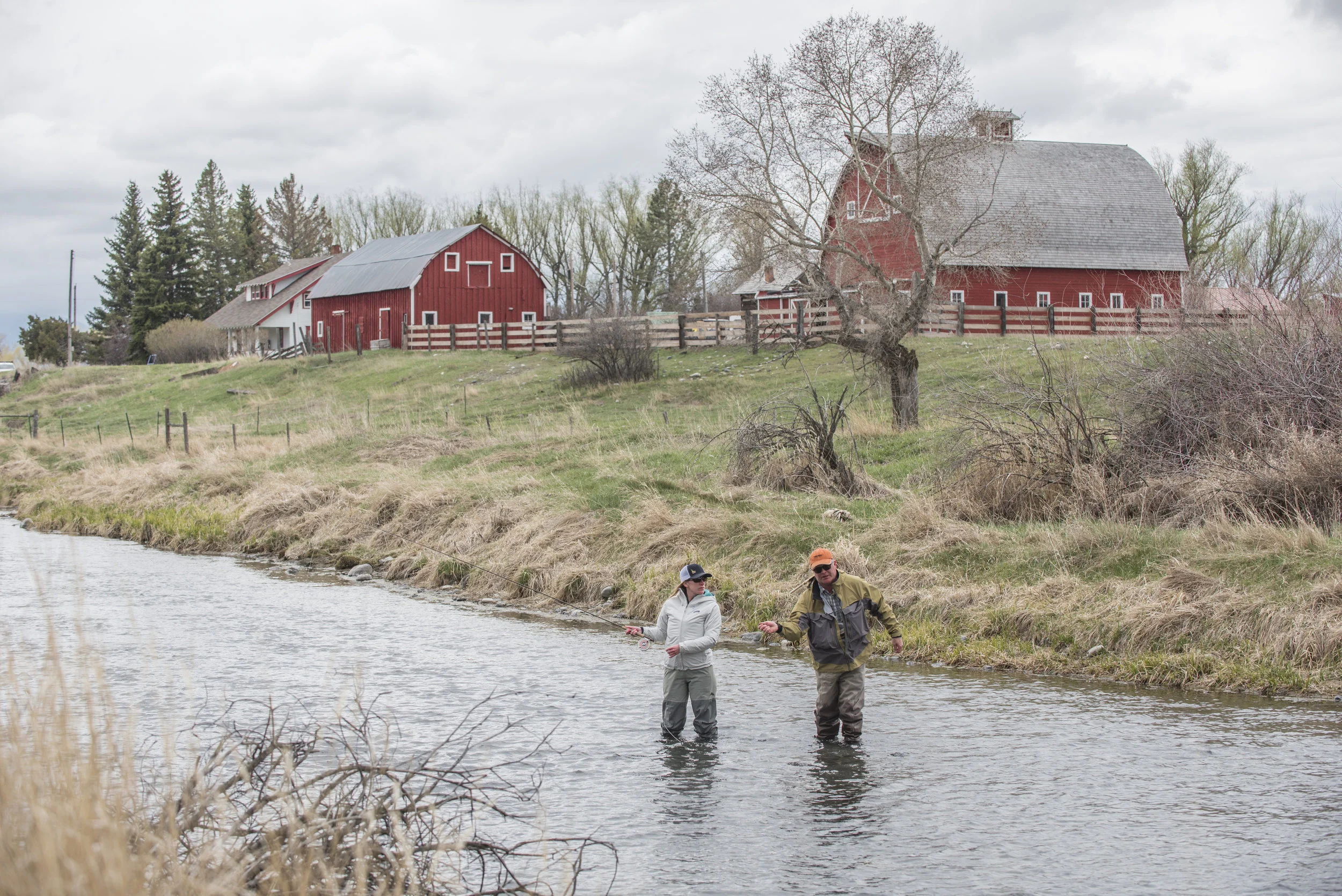
I've been fishing and guiding Armstrong Spring Creek for more than 25 years, and I still find something new every time I spend a day there. Most anglers know Armstrong's for its famous Pale Morning Dun hatches and the Diagonal Riffle. Both deserve the attention, but there's quite a bit more to this creek than meets the eye.
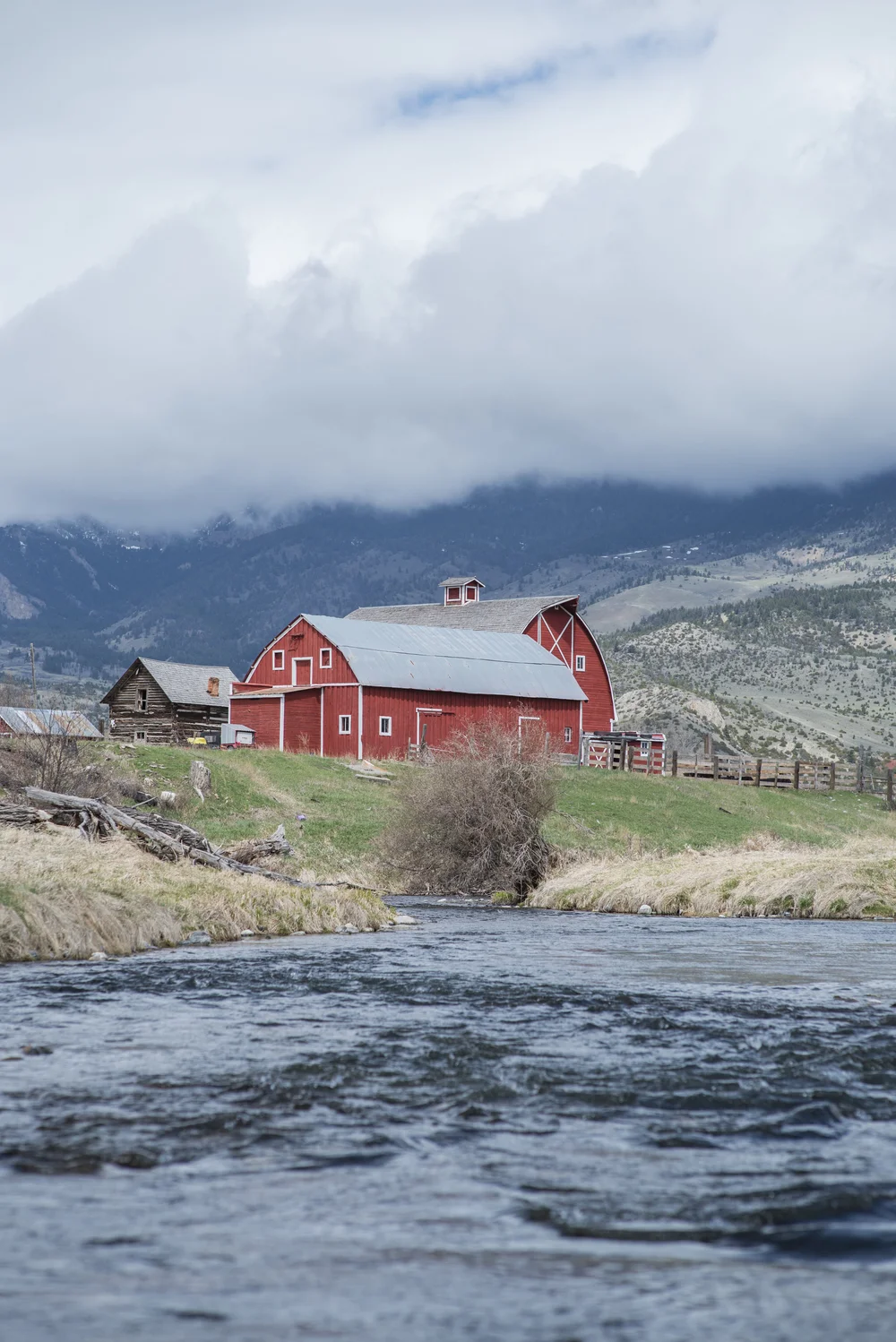
Armstrong's is located on the historic O'Hair Ranch in Paradise Valley, just south of Livingston, Montana. It's relatively short, with approximately 1.3 miles of fishable water, but don't let that fool you. There's a surprising amount of fishing tucked into the banks, slower pools, small pockets, and less obvious places that many anglers walk right past on their way to the better-known riffles.
If you're willing to do a little homework, explore the ranch, and spend some time watching the water before casting, you might be pleasantly surprised. And then there's the old coffee can.
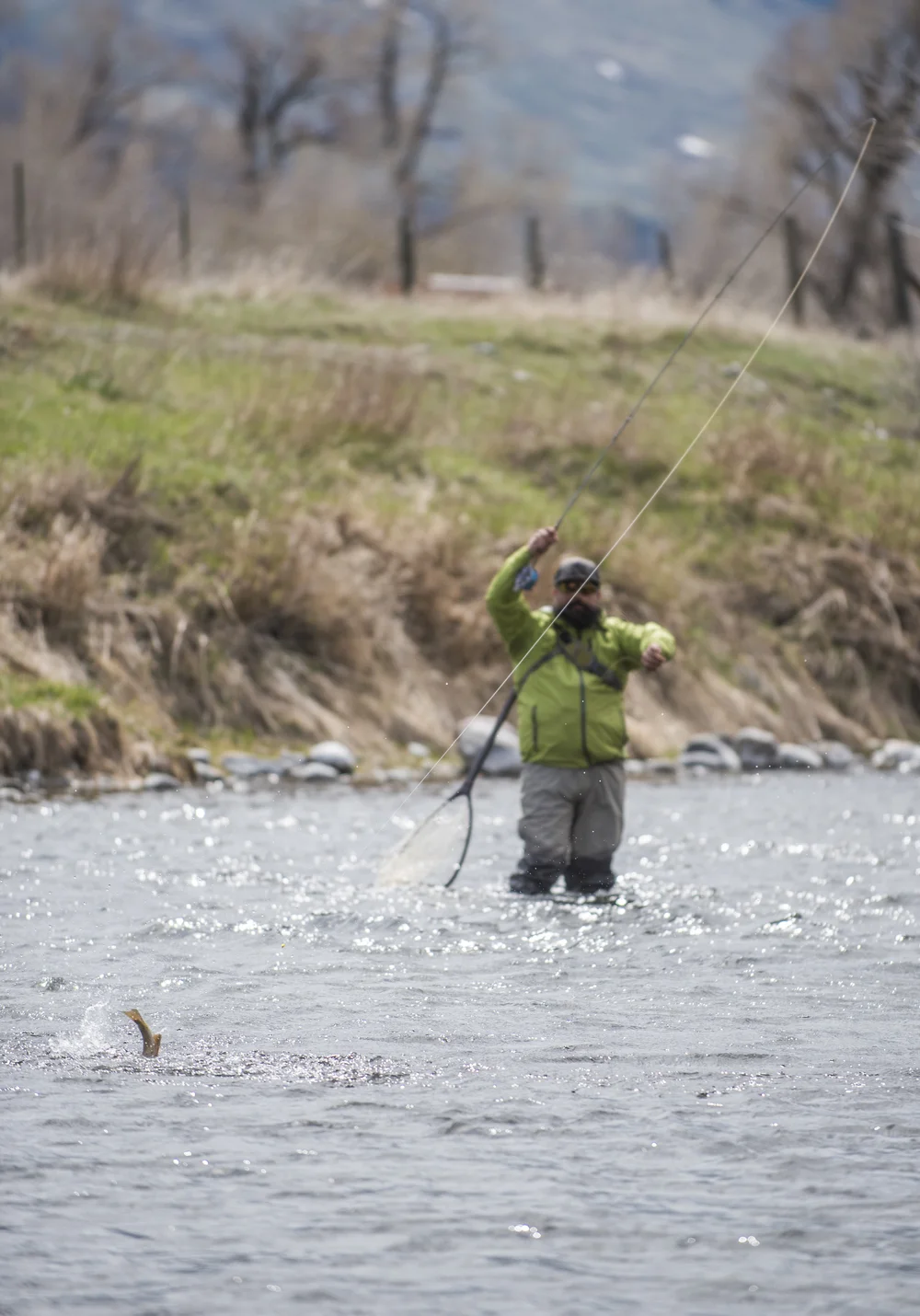
The ranch behind the creek
The Armstrong family's history in Paradise Valley dates back to 1876, when Owen T. Armstrong came west from Missouri. The family established a ranch along the springs west of the Yellowstone River, raising cattle, cutting hay, and helping develop the irrigation systems that supported ranching in the valley.
Allyn O'Hair came to work on the ranch in 1931 and married Agnes Armstrong in 1936. The ranch has continued through the family, with six generations connected to the land.
Fly fishermen discovered this water long before spring creek fishing became the destination experience it is today. Dan Bailey was among the early anglers who recognized what a remarkable fishery Armstrong's could be. The local Trout Unlimited chapter also played a role in preserving fishing opportunities on the ranch.
One of the things I've always appreciated about Armstrong's is that it still feels like a working Montana ranch. There are cattle, hayfields, fences, and the everyday business of ranching. You aren't walking into some elaborate fishing resort. You're visiting a family ranch that happens to have one of the finest little spring creeks in Montana running through it.
And, as far as I can tell, the old rusted coffee can where I've left my rod fee hasn't changed much in the 25-plus years I've been coming here. I hope it never does.
The springs and the Yellowstone connection
One of the more interesting things about Armstrong's is where its water comes from. Groundwater moving through the gravel and sediment beneath Paradise Valley emerges from natural springs and feeds the creek. Much of that groundwater is connected to the Yellowstone River's alluvial aquifer, the water moving through old river deposits beneath the valley floor.
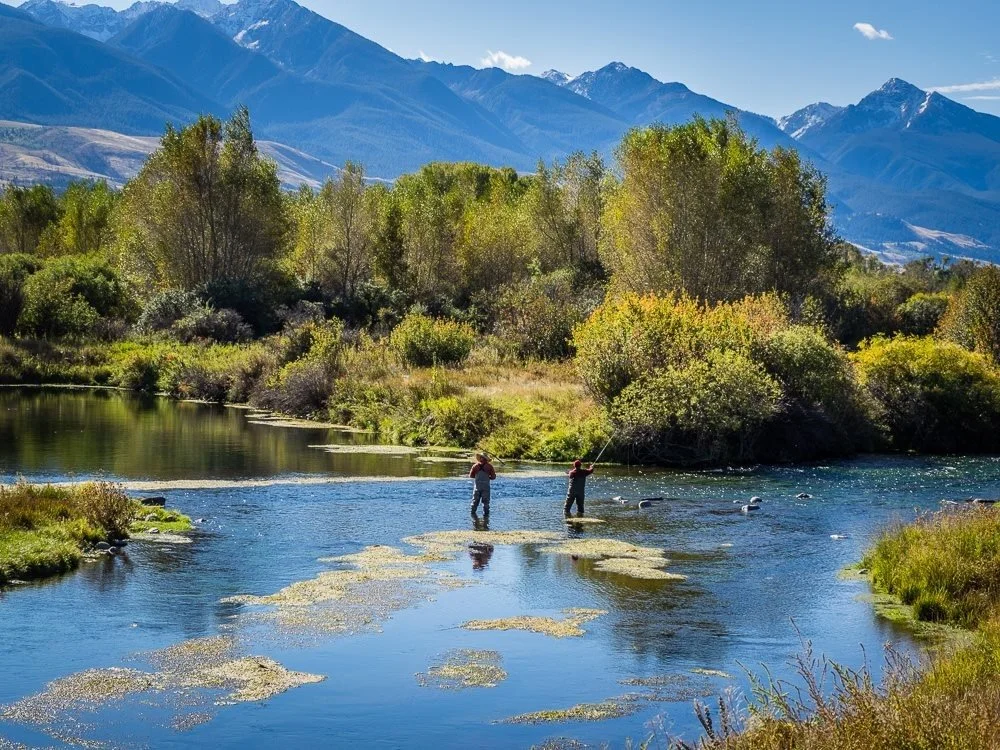
Near the ranch buildings, the main springs add a considerable amount of water to the creek. Smaller springs also emerge through the streambed and along the banks. In some places, you can actually see fine sand moving on the bottom where groundwater is pushing upward.
The relatively stable temperature of spring water is one reason these creeks remain productive throughout the year, even when the Yellowstone is muddy with runoff or locked into winter conditions.
If you've spent much time wading Armstrong's, you've probably noticed the rounded cobble and gravel underfoot. In places, it looks remarkably similar to the Yellowstone River. That's because the Yellowstone helped create this landscape. Over time, the river moved across the valley floor, leaving behind the gravel and sediment through which groundwater now travels.
That connection isn't always gentle. Major flooding in 1996 damaged both Armstrong's and DePuy's, requiring considerable restoration work. It's worth remembering that maintaining a fishery like this takes effort, and the landowners deserve credit for their stewardship.
The water above the main springs
One of the most overlooked parts of Armstrong's, in my opinion, is the water above the main springs. It's quite different from the faster riffles that most people associate with the creek. The current slows, aquatic vegetation becomes more prominent, and the bottom takes on a softer character. Some of it reminds me of the traditional spring creeks of Pennsylvania.
You might spend several minutes watching a stretch of water before ever making a cast. Sometimes you're looking for a fish. Other times you're trying to figure out what a fish is doing. A small flash near the bottom or a trout with its nose buried in the vegetation might be the only indication that something is feeding.
Scuds, midges, and small nymphs can be particularly effective in this water, especially when there's very little surface activity. It's not always the easiest fishing, but that's part of what makes it interesting. And because the water moves more slowly, your presentation needs to reflect that. A drag-free drift becomes especially important, and sometimes a slight adjustment in tippet size or the position of your cast makes all the difference.
The Diagonal Riffle and the tide of the hatch
The Diagonal Riffle is probably the best-known piece of water on Armstrong's, and for good reason. During a strong Pale Morning Dun hatch, it can be an incredible place to watch trout feeding.
I've always thought of that riffle as behaving a little like the ocean tides. Before the hatch, you might look across the water and see very little activity. Then the insects begin emerging. Fish start moving from nearby pools, protected pockets, and slower holding water into the riffle. As the hatch builds, more fish seem to appear.
Some fish are feeding on nymphs and emergers beneath the surface, while others are taking fully emerged duns. Then, as the hatch begins to taper off, many of those trout move back toward slower, more protected water. The riffle that seemed full of fish an hour earlier can suddenly appear almost empty again. The water hasn't changed much. The food supply has.
This is something I think anglers sometimes miss about spring creek fishing. Just because the hatch is over doesn't mean the fish have stopped eating. They've often just changed where and how they're feeding.
The water most anglers walk past
Armstrong's has other excellent riffles, runs, and long pools, but some of my favorite fishing is found in the less obvious places. A small indentation along a bank, a subtle undercut, a protected pocket, or a slight depression in the bottom can provide exactly what a trout needs: food, protection, and a comfortable place to hold.
It's easy to get focused on reaching the next recognizable piece of water, especially when you've heard about a particular riffle. But sometimes it's worth stopping and taking a closer look at the water you're walking past.
A relatively short creek like Armstrong's can offer considerably more fishing than you might initially think. I've spent enough days here to know that the less obvious places can produce some very good fish. It pays to explore.
The long pools and underwater pastures
The slower pools are particularly interesting when there isn't much mayfly activity. You can sometimes see trout with their noses down in the aquatic vegetation, almost rooting around. I suspect they're often feeding on scuds and other small invertebrates living among the plants.
I've always thought of those vegetation beds as little underwater pastures. The trout know where the food is, and just like cattle grazing through a good pasture, they don't necessarily have to move very far to find it. It's a fitting comparison considering where we're fishing.
Fishing these slower pools requires a different approach from fishing broken riffle water. The fish have more time to inspect your fly and tippet, and even a small amount of drag can ruin a presentation. I often find myself using smaller flies, lighter tippet when appropriate, and paying close attention to the drift.
Sometimes allowing a scud or nymph to swing gently at the end of the drift can also be effective. The trick is knowing the difference between intentional movement and unwanted drag.
When to fish Armstrong Spring Creek
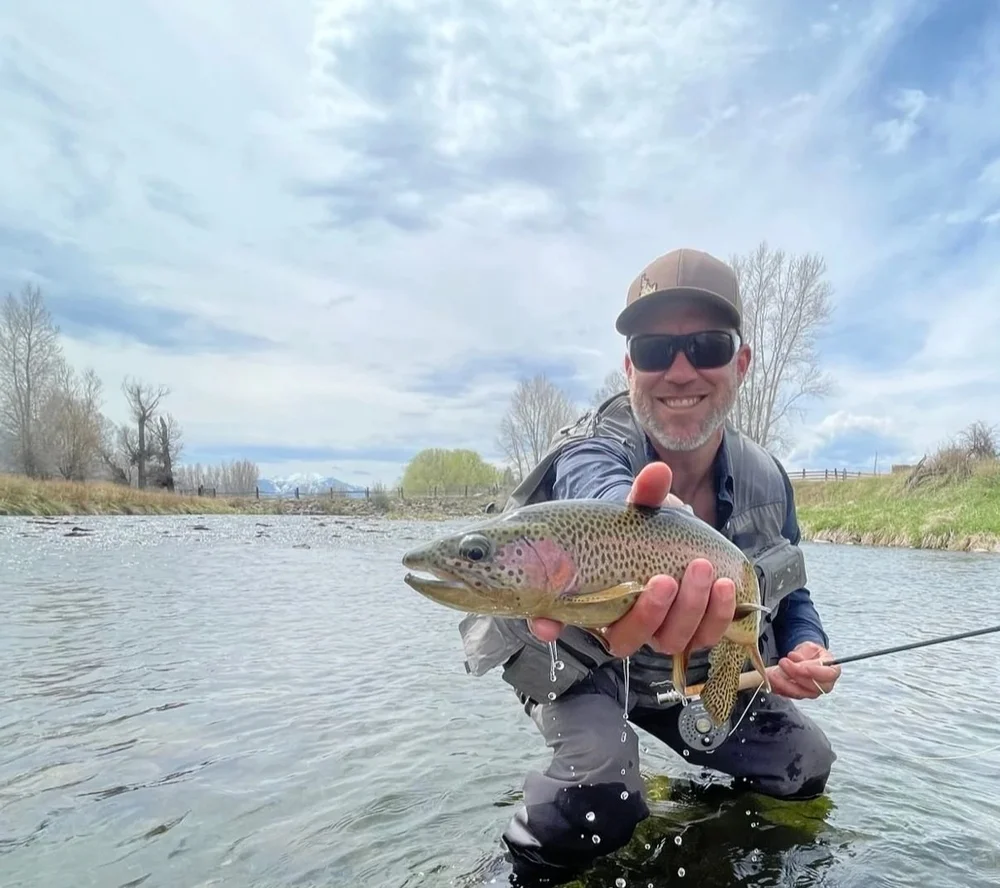
One of the advantages of Armstrong's is that it offers fishing throughout the year. The relatively stable spring water provides opportunities during every season, although the insects and techniques change considerably. Here is a general guide to what you can expect.
Midges, scuds, sowbugs, and small nymphs are important food sources. On calm, milder days, midday midge activity can provide some excellent fishing.
Midges and Blue-Winged Olives become increasingly important. Cloudy afternoons can produce excellent dry fly fishing. Watch for spawning rainbow trout and avoid disturbing redds.
BWOs, small nymphs, and occasional caddis activity can provide opportunities. Spring creek fishing is a good alternative when the Yellowstone is high with snowmelt runoff.
This is Armstrong's signature hatch. Pale Morning Dun nymphs, emergers, duns, and spinners all become important. Watch the riffles carefully before deciding what the fish are eating.
Smaller mayflies, midges, ants, beetles, and terrestrials can be productive. Aquatic vegetation becomes more prominent, making accurate presentations particularly important.
Blue-Winged Olives, midges, and scuds are important. Overcast days can provide some very good small dry fly fishing. Avoid actively spawning brown trout and their redds.
These are general seasonal patterns, not guaranteed hatch dates. Weather, water temperature, and the particular section of creek can all influence the fishing.
Why knowing this creek makes a difference
One of the things I've learned after more than 25 years of guiding Armstrong's is that it's easy to underestimate how much there is to this little creek. Knowing where to find a productive riffle during a hatch is certainly valuable. But knowing where the fish tend to hold before the hatch, where they might move afterward, and which less obvious places are worth investigating can be just as important.
At Swan's Fly Fishing, Armstrong's isn't an occasional stop on a long list of Montana waters. It's a fishery we've spent decades learning, fishing, and guiding. We know the familiar water, but we also enjoy exploring the places that don't always get much attention.
That experience is particularly useful when introducing someone to spring creek fishing. Whether you're new to fly fishing or have been doing it for years, there's something to be learned from watching trout in clear water.
As a Fly Fishers International Certified Casting Instructor, I've always enjoyed helping anglers improve their casting, presentation, and understanding of how trout use different types of water. Armstrong's is a wonderful classroom. And after all these years, I'm still learning from it myself.
The treasure in the back pasture
I suppose that's what keeps bringing me back to Armstrong's. It isn't just the Diagonal Riffle or the famous PMD hatch. It's the combination of the ranch, the springs, the long pools, and the overlooked little places that make you stop and think.
It's watching fish move into a riffle as the hatch builds, then finding another trout feeding among the vegetation after the activity slows. It's the history of the O'Hair Ranch, the cattle in the pasture, and that old rusted coffee can that seems to have been there forever.
Armstrong's may be a relatively short spring creek, but there's a surprising amount to discover if you take the time to explore it. After more than 25 years, I still enjoy doing exactly that.
Fish Armstrong's with Swan's Fly Fishing
I'm Matt Swan, owner of Swan's Fly Fishing in Livingston, Montana. We've spent more than 25 years guiding Armstrong Spring Creek and the other remarkable waters of Paradise Valley.
Whether you're visiting Livingston or Bozeman, planning your first spring creek trip, or hoping to improve your presentation on technical water, we'd be happy to help. We offer private guided fly fishing on Armstrong's, DePuy's, and other Paradise Valley waters.
Livingston, Montana ·
Montana Outfitter #26324
Private ranch reservations and rod fees apply.