Yellowstone River Rowing Instruction
After more than 25 years of guiding, rowing is still one of the parts of my work I enjoy most. Many people know me through fly fishing, but time behind the oars has been just as much a part of my life on the water.
Here on the Yellowstone, I’ve spent years reading currents, positioning boats for anglers, carrying passengers, and adjusting to a river that never stays quite the same. I’ve rowed wooden dories, drift boats, skiffs, and rafts. That experience is what I bring to my private rowing instruction through Swan’s Fly Fishing in Livingston, Montana.
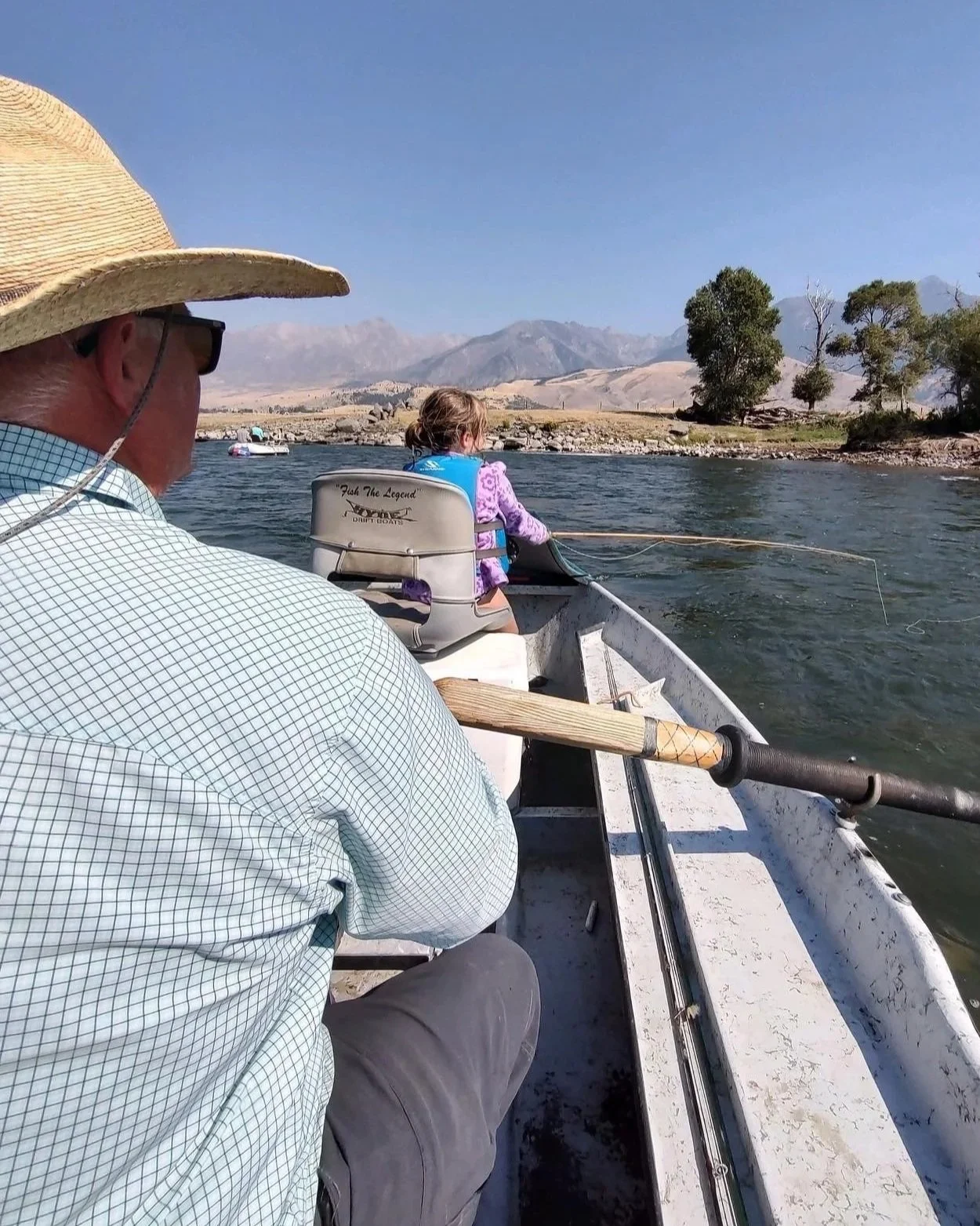
I’m confident in my ability at the oars, and I enjoy helping other people develop that ability for themselves. There’s a lot of satisfaction in watching someone begin to understand the current, make a deliberate move, and feel the boat respond the way they intended.
Teaching people to row with skill, judgment, and confidence
My goal is to help you become a more capable rower and make safer decisions on the Yellowstone. That means building your skills and your confidence together, while learning to recognize the limits of your experience.
You should feel comfortable asking questions and understand what we’re working on and why. Time at the oars gives you a chance to put that instruction into practice.
I explain a skill, demonstrate it when helpful, and give you a chance to work through it. We make adjustments along the way. Sometimes a different explanation or a small change in timing is all it takes for something to click.
I want your confidence to come from understanding what you’re doing. That includes knowing how to make a move, why it works, and when to choose a different approach.
Experience that shapes my instruction
My guiding background includes Lees Ferry in Arizona, years with The Fly Shop in Northern California, and the rivers of Montana. I’ve worked as a whitewater guide and spent many days managing a boat while helping anglers make the most of the water in front of them.
I’ve also been an FFI Certified Casting Instructor since 1999. Teaching casting has helped shape the way I teach rowing: pay attention to the person, break a skill into manageable pieces, and give clear feedback they can use on the next attempt.
Years of private rowing lessons have taught me that people arrive with different strengths. Some are comfortable handling the oars but need help reading water. Others see the route clearly but haven’t yet learned how to get the boat there. Instruction should meet you where you are.
What we work on during a rowing lesson
We choose the stretch of river and the pace of the lesson around conditions, your experience, and what you want to improve. These are some of the skills we can work on together.
- Reading the river Recognizing current seams, eddies, shallow water, and obstacles, and understanding how they can affect your boat.
- Oar strokes and boat angle Learning how your strokes, timing, and boat angle work together to control direction and speed.
- Looking ahead and planning a route Choosing a line early, allowing room to adjust, and keeping track of what comes next.
- Positioning a boat for fishing Managing distance, angle, and drift so your anglers have a useful presentation without losing sight of boat handling.
- Launching, landing, and preparing the boat Building practical habits around equipment, passenger communication, shore approaches, and takeouts.
- Matching the water to your ability Recognizing what you’re ready to practice, where you need more experience, and when a different plan makes sense.
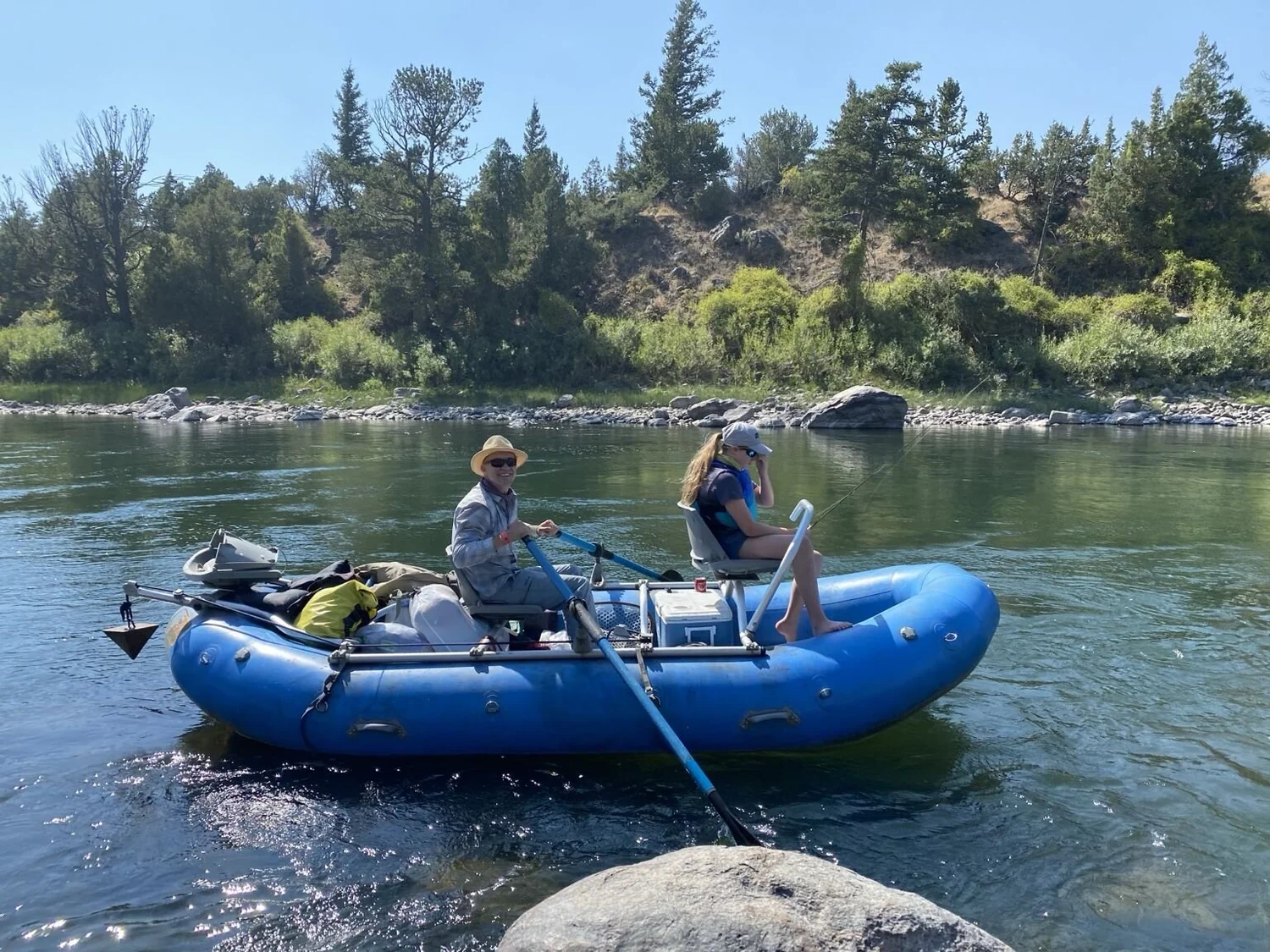
Rowing drift boats, wooden dories, skiffs, and rafts
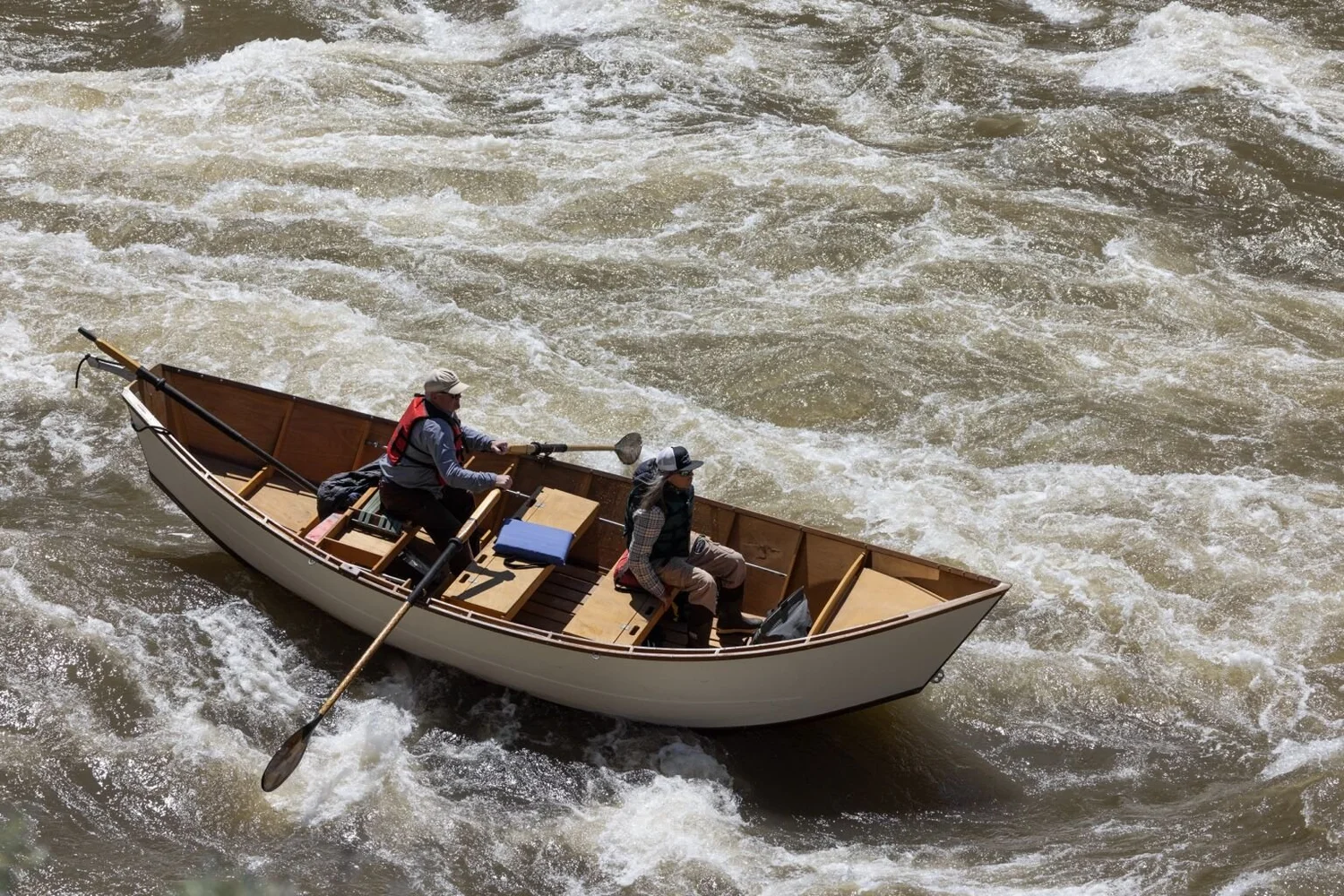
Different boats ask different things of the rower. A wooden dory, a low-sided skiff, and a fishing raft don’t respond exactly the same way. Hull shape, weight, wind, and the people and gear aboard all affect how a boat handles.
I enjoy those differences. They keep you paying attention and help you develop a better feel for the boat. The fundamentals remain consistent: read the water, look ahead, control your angle, and make your adjustments early.
If you already own a boat, tell me what you row and where you hope to use it. We can discuss whether your boat is appropriate for the lesson and the conditions, and what you’d like to understand better about its handling.
Learning to row the Yellowstone River
The Yellowstone offers plenty to learn close to Livingston and Paradise Valley. It’s also a changing river. Flows rise and fall, channels shift, and wind can change how a familiar stretch feels.
Years on this river help me choose an appropriate place to teach and explain what we’re seeing. I want you to understand the decisions behind a route so you can keep developing your own judgment.
Knowing your abilities is part of becoming a good rower. So is recognizing when the river is asking more of you than you’re ready to handle. We work on both as your skills develop.
If you live in Bozeman or are visiting Livingston, we can talk through your experience and schedule before planning a day on the water.
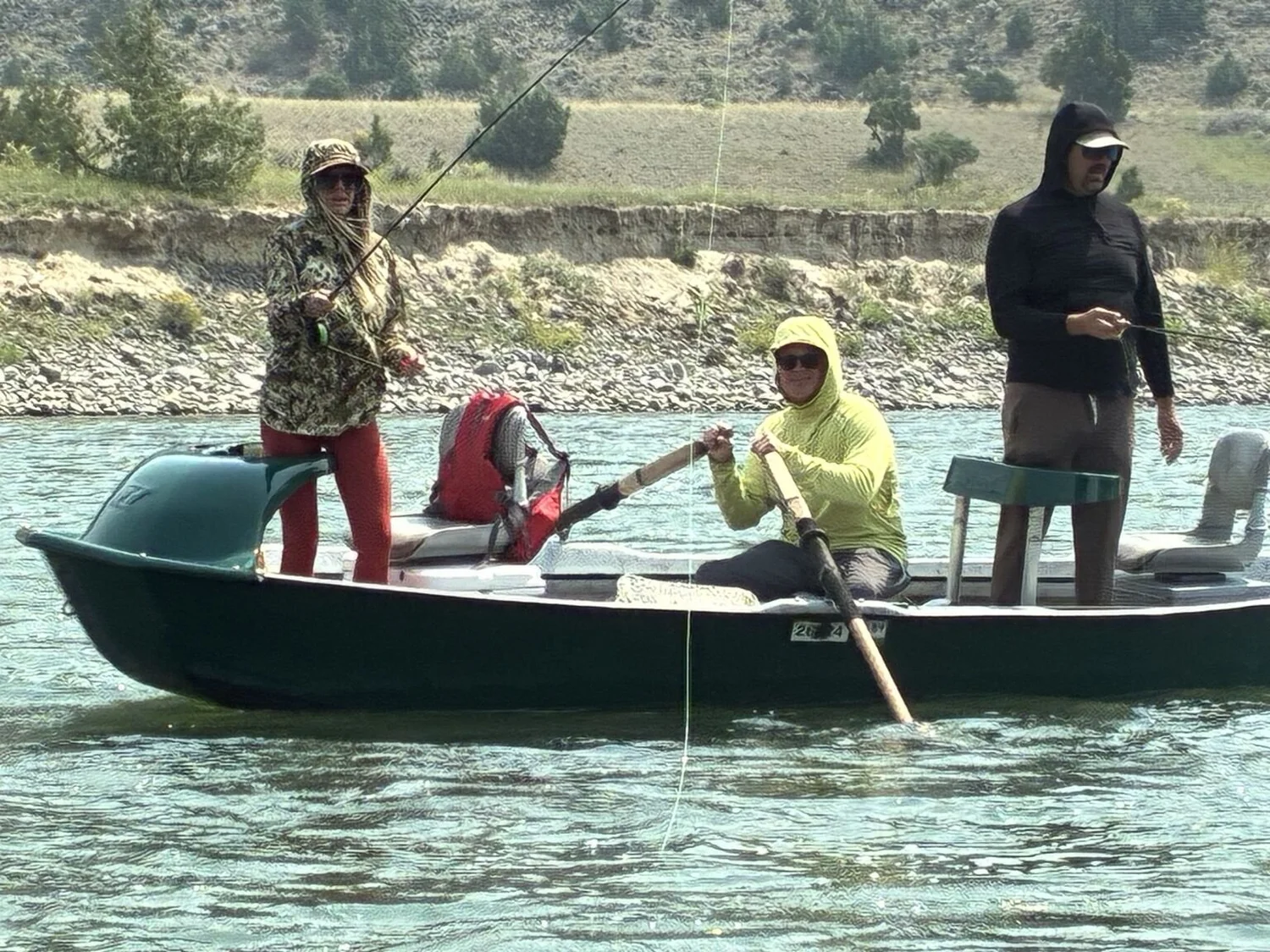
Connecting rowing and fly fishing
Fishing and rowing have always been closely connected in my work. From the rowing seat, you’re thinking about where the fly needs to land, how the current will carry it, and how the boat’s movement affects the presentation.
A small adjustment can give an angler a better angle or a little more time to fish a piece of water. Helping someone develop that awareness is a part of instruction I especially enjoy.
Boat handling comes first. As that becomes more comfortable, we can work on the finer points of rowing for an angler.
Instruction for beginners and experienced rowers
You might be picking up the oars for the first time, learning a boat you’ve just purchased, or wanting to share rowing duties with a fishing partner. You may already have years of experience and something specific you’d like to improve.
The lesson should reflect that. We can work on fundamentals, spend time on a particular challenge, or develop a more consistent approach to reading water and managing the boat.
One lesson doesn’t prepare anyone for every stretch of river. It can give you a stronger foundation, useful feedback, and a clearer understanding of what to practice next.
Still learning after all these years
Experience has made me a better rower. It has also taught me to keep paying attention. The Yellowstone changes, and there is always something more to learn.
That’s the approach I bring to every lesson: experience you can draw on, clear instruction, and an interest in helping you become more comfortable and capable behind the oars.
I love seeing someone gain a skill they didn’t have when we launched. Helping people build that ability, and the confidence that comes with it, is why I enjoy teaching.
Plan a private rowing lesson
Tell me about your experience, the boat you row if you own one, and what you’d like to improve. We’ll talk through a lesson that fits.
Matt Swan · Swan’s Fly Fishing
Private rowing instruction on the Yellowstone River
near Livingston, Montana.