Teaching Fly Fishing:
More Than Catching Fish
About 25 years ago, I introduced a 10-year-old to fly fishing. I guided him on his family's vacations for the next five years. He's now a fish biologist.
I consider that my greatest accomplishment as a guide.
I'm not taking credit for where he ended up. That was his work and his path. But getting to introduce him to fishing and be part of those early years means a lot to me.
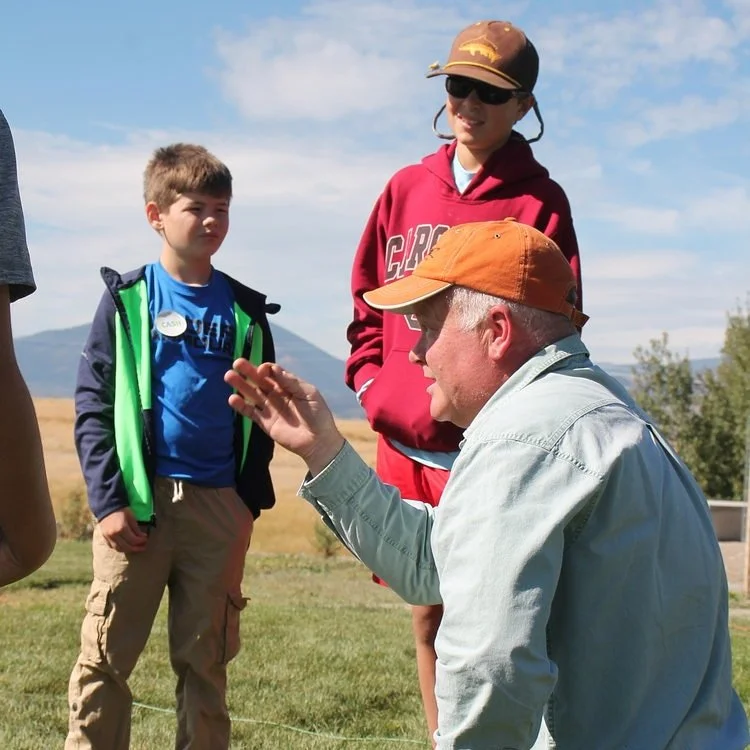
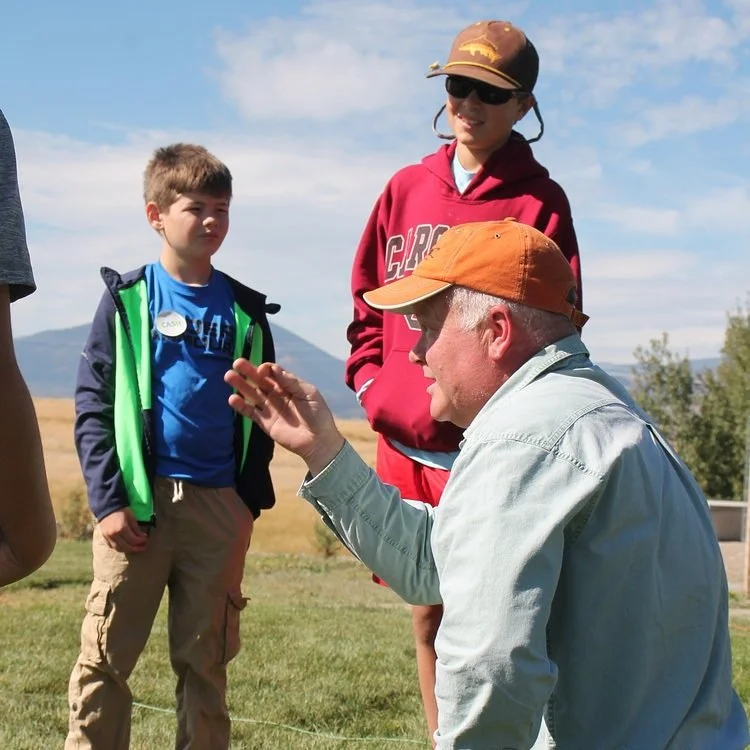
That's one of the reasons I enjoy teaching. You never know where someone's interest will lead or what they'll remember from their time on the water.
I'm Matt Swan, owner and outfitter at Swan's Fly Fishing in Livingston, Montana. I've spent more than 25 years guiding and teaching fly fishing, and I've been a Fly Fishers International Certified Casting Instructor since 1999.
Over those years, I've worked with everyone from first-time anglers to experienced fishermen looking to improve a particular skill. One thing I've learned is that there isn't a single way to teach everyone.
Catching fish is certainly part of the experience, but helping someone understand what they're doing and become more comfortable on the water is a big part of why I guide.
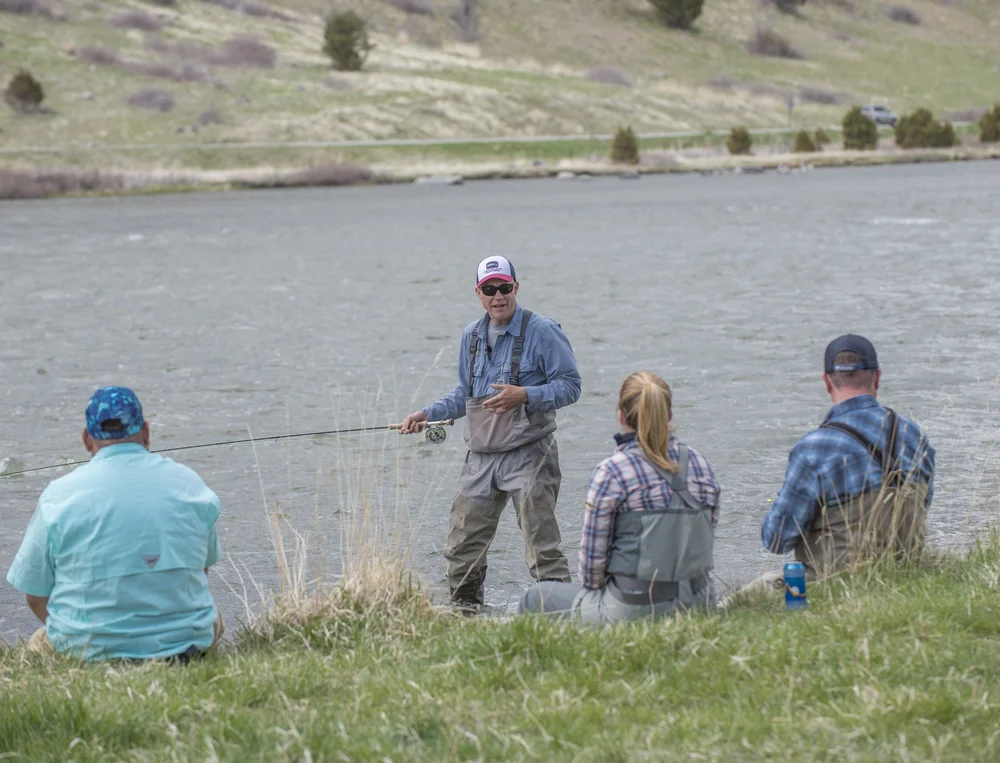
Matt Swan
Fly Fishers International Certified Casting
Instructor since 1999.
More than 25 years of guiding and teaching
experience on Montana rivers.
Owner and outfitter,
Swan's Fly Fishing,
Livingston, Montana.
Good Teaching Takes Patience
You don't need to know how to fly cast before booking a guided fishing trip. You don't need to know the insects or apologize when your line ends up somewhere other than where you intended.
Those are things we can work on.
When you're learning, there's a lot happening at once. You're holding the rod, managing loose line, watching the fly, and trying to remember what to do when a fish eats. Giving you five more instructions doesn't necessarily help.
My job is to recognize what you need next. Sometimes that's a demonstration or a different explanation. Other times, it's stepping back, giving you room to practice, and letting you figure a few things out for yourself.
If something isn't making sense, we'll approach it another way. You should feel comfortable asking questions, including the same question more than once.
A tangled leader needs untangling. A missed fish may give us something useful to talk about. Neither needs to become a judgment about how well you're doing.
What Teaching Snowboarding and Soccer Taught Me About Fly Fishing
Over the years, I've also worked as a snowboard instructor and coached youth soccer. They're very different activities from fly fishing, but I've found that many of the same teaching principles apply.
A lot of learning comes down to repetition, muscle memory, and building confidence. But just as important are having fun, enjoying the people you're with, and feeling comfortable enough to try something new.
When you're learning to snowboard, you're thinking about your balance, your edges, and where you're going. With practice, those movements become more natural. Eventually, you stop thinking about every little adjustment and start enjoying the ride.
Fly casting isn't much different. In the beginning, you're thinking about your grip, timing, rod position, and what the line is doing. With repetition, those movements become more familiar, and you can concentrate on the fishing rather than every part of the cast.
Coaching youth soccer has reinforced something else for me. Sportsmanship, teamwork, and camaraderie are just as important as developing skills. Kids should have fun, support one another, and feel good about being part of a team.
I want them to be curious about getting better, not feel pressured into it. When they're enjoying themselves and gaining confidence, that desire to improve often comes naturally.
I think the same is true of fly fishing.
You can take the fishing seriously without taking yourself too seriously. There should be room for laughter, missed fish, tangled lines, and the satisfaction of finally getting something right.
My job isn't to push someone to improve at my pace. It's to help them enjoy the experience, recognize their progress, and develop the confidence to keep learning.
Whether I'm coaching soccer, teaching someone to snowboard, or helping an angler make a better cast, that's what I hope they take away from the experience.
Learning on the Yellowstone River
On a guided Yellowstone River trip near Livingston, I want the instruction to connect to the water in front of us.
I can point to a spot and tell you to cast there. Sometimes that's necessary when the boat is moving and there isn't much time. But I also want you to understand why I picked that spot.
What makes that seam worth fishing? Where do we want the fly to land? What will the current do to the line? How can we give the fly a better drift?
Those conversations help you move beyond following directions. As the day goes on, we can work toward you recognizing those opportunities yourself.
Depending on your experience, we might work on making a controlled cast, placing the fly accurately, managing slack, or understanding when and why to mend.
We can also spend time reading water, recognizing a take, and playing a fish with control.
We don't need to cover everything at once. One skill that starts making sense is more useful than six explanations you can't remember.
Learning to Watch and Adjust
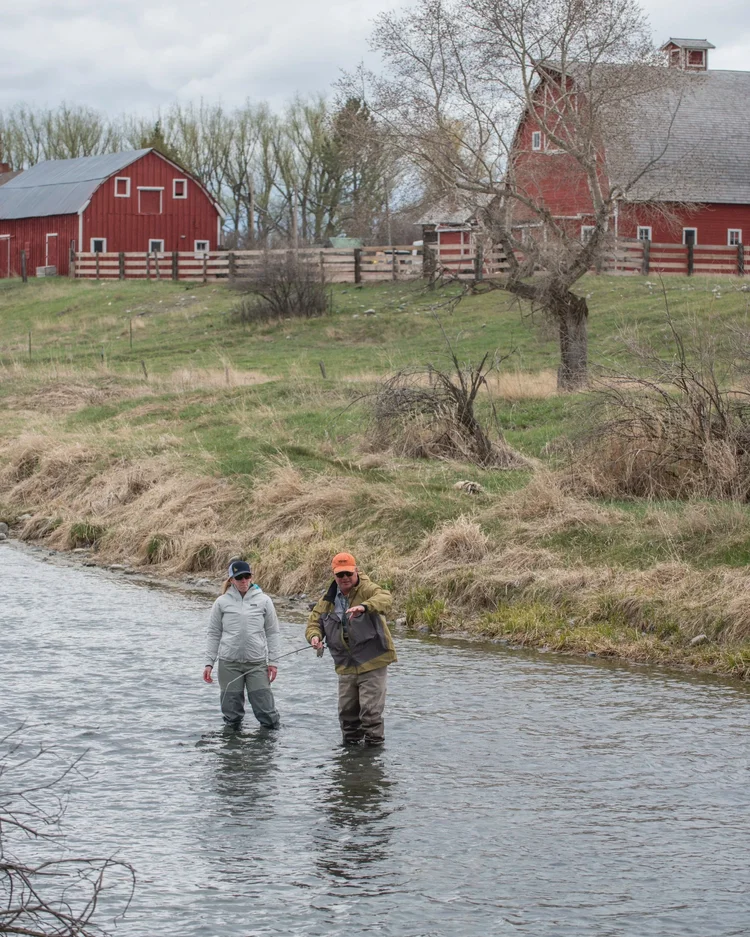
A big part of teaching fly fishing is helping someone notice what happened after the fly landed.
Did it land where you wanted? Did the line tighten and pull it off course? Was there too much slack when the fish ate?
Once you recognize what happened, an adjustment has a purpose. You're not mending just because I told you to. You're managing the line because you can see what it's doing to your fly.
Patience is part of that process, but it doesn't mean repeating the same cast and hoping something changes.
It means taking enough time to watch, make an adjustment, and try again.
As the guide, I need to bring that same patience to the day.
Teaching on the Paradise Valley Spring Creeks
On guided trips to DePuy's and Armstrong's spring creeks, I like to make time for the decisions that happen before the cast.
We can talk through where to stand, how to approach the water, and where the fly and leader need to land. Then we can watch the presentation and decide what to change.
I don't want you worrying about making a perfect cast while I stand there judging it. I want us working through a fishing problem together.
Sometimes that means stepping back and watching. Sometimes it means changing position instead of trying to make a harder cast. Sometimes it takes several attempts to get the presentation we're looking for.
There's room for that. We can slow down, work on one part of the problem, and build from there.
Instruction for Experienced Anglers
Teaching isn't just for beginners. If you've fished for years, you may already know exactly what you want help with.
Maybe you're comfortable casting but struggle to control the drift. Maybe your accuracy changes when you add distance. Or perhaps you want to get better at recognizing productive water instead of relying on someone else to point it out.
Tell me what you're working on. We can give it some attention while still enjoying a day of fishing.
I'm not interested in changing something simply because you do it differently than I do. The question is whether it's working and, if it isn't, what adjustment will help.
Experienced anglers need room to ask questions, too. Nobody should feel like they're supposed to know everything because they've been fishing for a certain number of years.
What Does a Fly Fishing Lesson Look Like?
Not every lesson needs to look the same.
Some people book a guided fishing trip and want instruction throughout the day. Others prefer to spend more time concentrating on casting fundamentals, presentation, or a particular skill.
For beginners, we might start with the basic mechanics of a cast, how to manage the line, and how to recognize when a fish takes the fly. As those pieces become more comfortable, we can begin putting them together.
For more experienced anglers, we can spend time on accuracy, distance, different casting techniques, line control, or whatever part of their fishing they would like to improve.
Sometimes a little time practicing on the grass before getting on the water makes a big difference. Other times, the best place to learn is standing in the river with a fishing situation right in front of us.
I offer private fly casting instruction as well as guided fishing trips where instruction is part of the day.
The goal isn't to cover as much as possible. It's to work on what will help you become a better angler.
You can learn more about my fly fishing and casting instruction in Livingston, Montana .
Teaching the Person Holding the Rod
Some people want a detailed explanation. Others learn best by watching and trying. Some want to spend the day working on technique, while others want a little instruction mixed into a relaxed float.
Teaching should fit the person.
That matters with kids, too. I want there to be room for their questions and curiosity, not just a steady stream of directions about where to put the fly. Getting comfortable on the river and enjoying the experience is important.
When I think about that 10-year-old who became a fish biologist, I think about having the opportunity to fish with him over several years.
I got to be there for part of his learning. That means more to me than any single fish we might have caught.
Plan a Guided Trip or Fly Fishing Lesson in Livingston, Montana
At Swan's Fly Fishing, I want you to feel comfortable learning, making mistakes, and asking questions. We can take the fishing seriously without making every cast feel like a test.
Whether you're interested in learning to fly cast, improving your presentation, or simply enjoying a guided fishing trip with some instruction along the way, we can work on what interests you.
If you're visiting Livingston, Paradise Valley, or the Bozeman area, tell me a little about your experience and what you'd like to learn.
We can talk through a dedicated casting lesson, a Yellowstone River float trip, or a day on the spring creeks and decide what fits.
You don't need to practice until you feel ready to hire a guide.
Teaching is part of the trip.
Let's Go Fishing
Whether you're learning to fly fish for the first time or looking to improve a particular skill, I'd be glad to help. Learn more about private instruction, guided fishing trips, and casting lessons in Livingston, Montana.
Questions? Call 406-224-8972