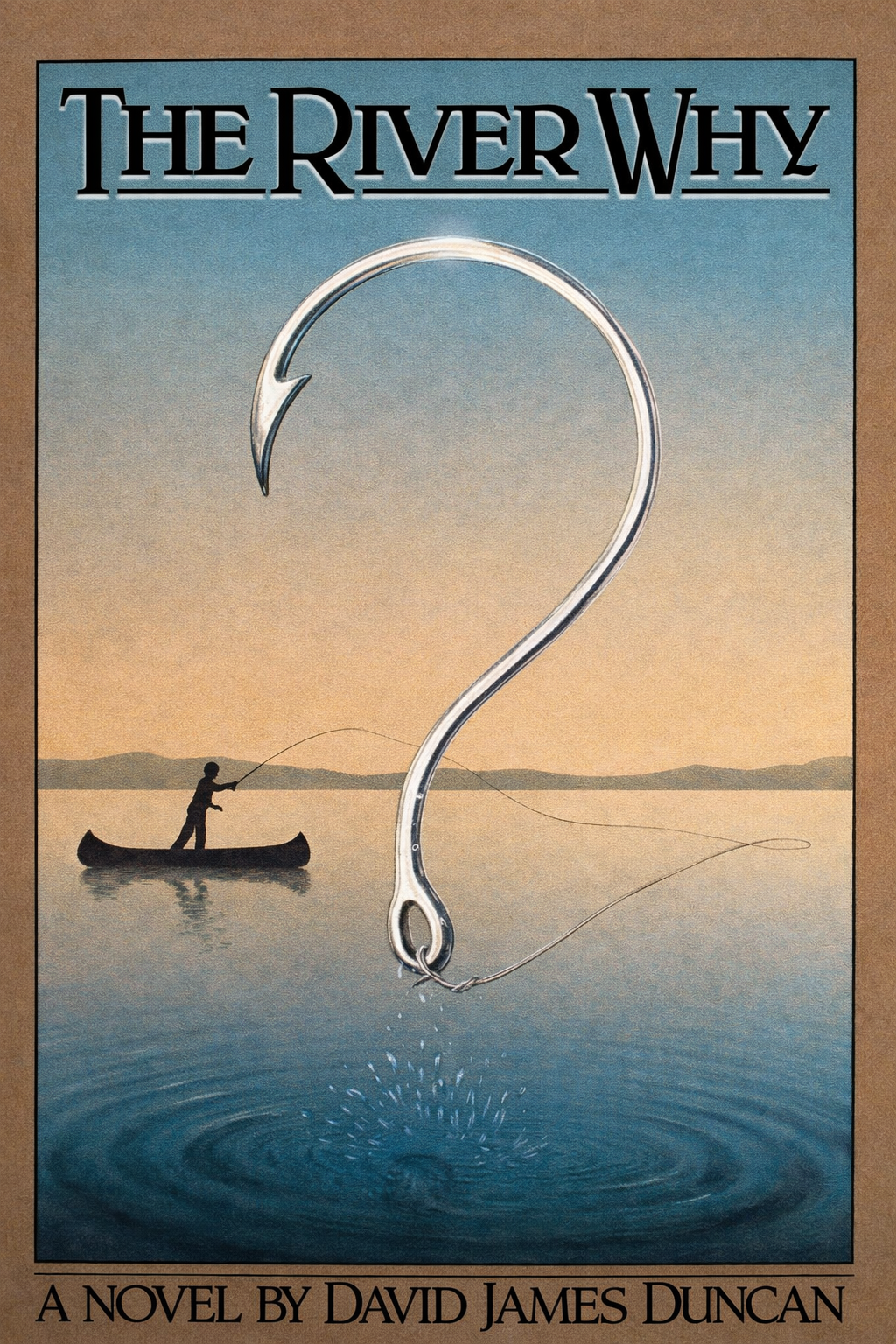
I read The River Why when I was first getting into steelhead fishing, running around Northern California with my buddy Jeff Parker. At the time, I didn’t read it critically. I read it aspirationally. I saw Gus as someone to emulate.
He was obsessed. Focused. Willing to organize his entire life around fishing. That made sense to me then. I believed that if you committed hard enough and stayed after it long enough, the river would eventually give you what you were looking for.
Steelhead fishing started correcting that idea pretty quickly.
We were fishing real water in real country. Big redwood forests, quiet roads, rivers tucked into places that didn’t feel managed or polished. It didn’t resemble the California most people picture. You could prepare, fish good water, do things the right way, and still come home empty-handed. Effort mattered, but it didn’t put you in charge.
One of the things The River Why gets right is the illusion of control. Gus believes that mastery and commitment will eventually bring clarity. What the book shows, and what the river reinforces, is that fishing doesn’t work like that. Rivers don’t reward intensity evenly, and they don’t negotiate.
Over time, my view of the book changed. Gus wasn’t just chasing fish. He was chasing something fishing alone couldn’t give him. I didn’t see that early on. I do now.
That shift became clearer once I started a family. Guiding changed, not because fishing mattered less, but because I started thinking more about what I’m actually passing on. Not skills or stories, but steadiness. Presence. How you handle frustration when the plan doesn’t hold.
Don’t get me wrong. A big chrome steelhead or a strong 18-inch wild native Yellowstone Cutthroat trout is absolutely a mindful moment. Those moments matter. But they’re not the legacy. What lasts longer is how you carried yourself getting there.
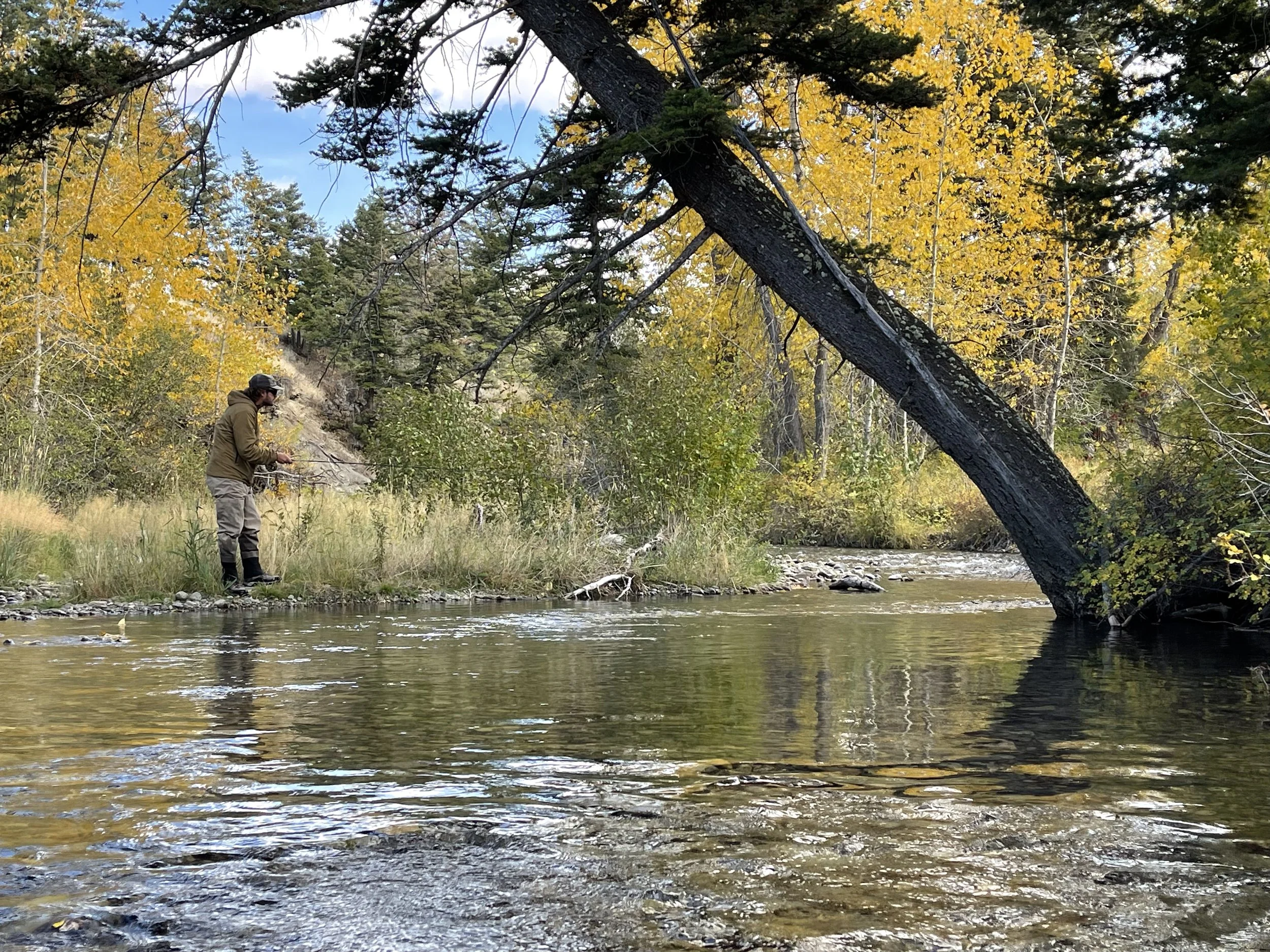
That perspective shows up every day on the Yellowstone. It’s a freestone river. The trout are wild. Like a lot of coastal steelhead fisheries, everything is dictated by conditions. Flows, temperature, light, wind. You don’t impose a plan on the river. You adjust.
I see versions of that early obsession in clients all the time. People arrive with a clear idea of how the day should go. How many fish. What success looks like. The Yellowstone usually has other ideas.
When people let go of the need to force outcomes, the day improves. Not always in numbers, but in awareness. Casts slow down. Decisions get simpler. People start watching water instead of fighting it.
That’s where The River Why still fits for me. Not as something to emulate outright, and not as a how-to. More as a reminder. Fishing can sharpen you, but it doesn’t complete you.
The river doesn’t give answers. It removes noise. What’s left is how you choose to show up, and what you pass on to the people watching from the edges.