If you’re in town and you’ve got the itch to go fishing, there are really only two games worth playing this time of year: Armstrong’s and DePuy’s. They’re technical and they don’t give up fish easily, but they offer something nothing else in the valley does right now—steady water, steady temperature, and trout that still want to eat.
The weed beds are fading from their late-summer peak, the light is softer, and nothing happens fast on a spring creek until there’s a big fish on the end of the line. Winter slows everything down except the springs themselves.
What Makes These Creeks Fishable in Winter
Armstrong’s and DePuy’s flow from underground aquifers at a constant 52 degrees. When the Yellowstone is too cold to fish or iced along the edges, these creeks stay alive. That consistent temperature is why winter remains one of the most interesting seasons out there. The fish don’t move far, but they still feed, and when they do, you get some of the cleanest technical fishing of the entire year.
A winter day has a different rhythm. You settle in, take your time, and let the creek come to you. Fish stack into slower water—soft seams, quiet bends, and deeper slots along the weeds. Precision matters. Good mends and clean drifts go a long way.
Where the Springs Come Together
Both creeks rise at the base of the Absarokas where groundwater pushes through limestone and gathers itself into small channels. As the water moves downstream, it spreads into riffles, runs, and long meadow bends before eventually meeting the Yellowstone.
The upper sections stay the warmest and most nutrient-rich. As the water travels, it cools just enough to settle into perfect winter habitat. Trout take advantage of that, slipping into slow pieces of water that give them shelter and a steady trickle of food.
Flies That Matter in Winter
Winter is a midge season first. Most days, the fish are locked into size 20–24 patterns, and the simpler the pattern, the better.
A reliable winter lineup:
Midge larvae (black, red, olive)
Midge pupae and emergers
Small aquatic worms
Scuds in gray, tan, or olive
Sparse, dark nymphs for deeper slots
Think subtle. Think slim. These fish have seen everything, and they reward the angler who takes the time to make each drift count.
What a Guided Winter Day Looks Like
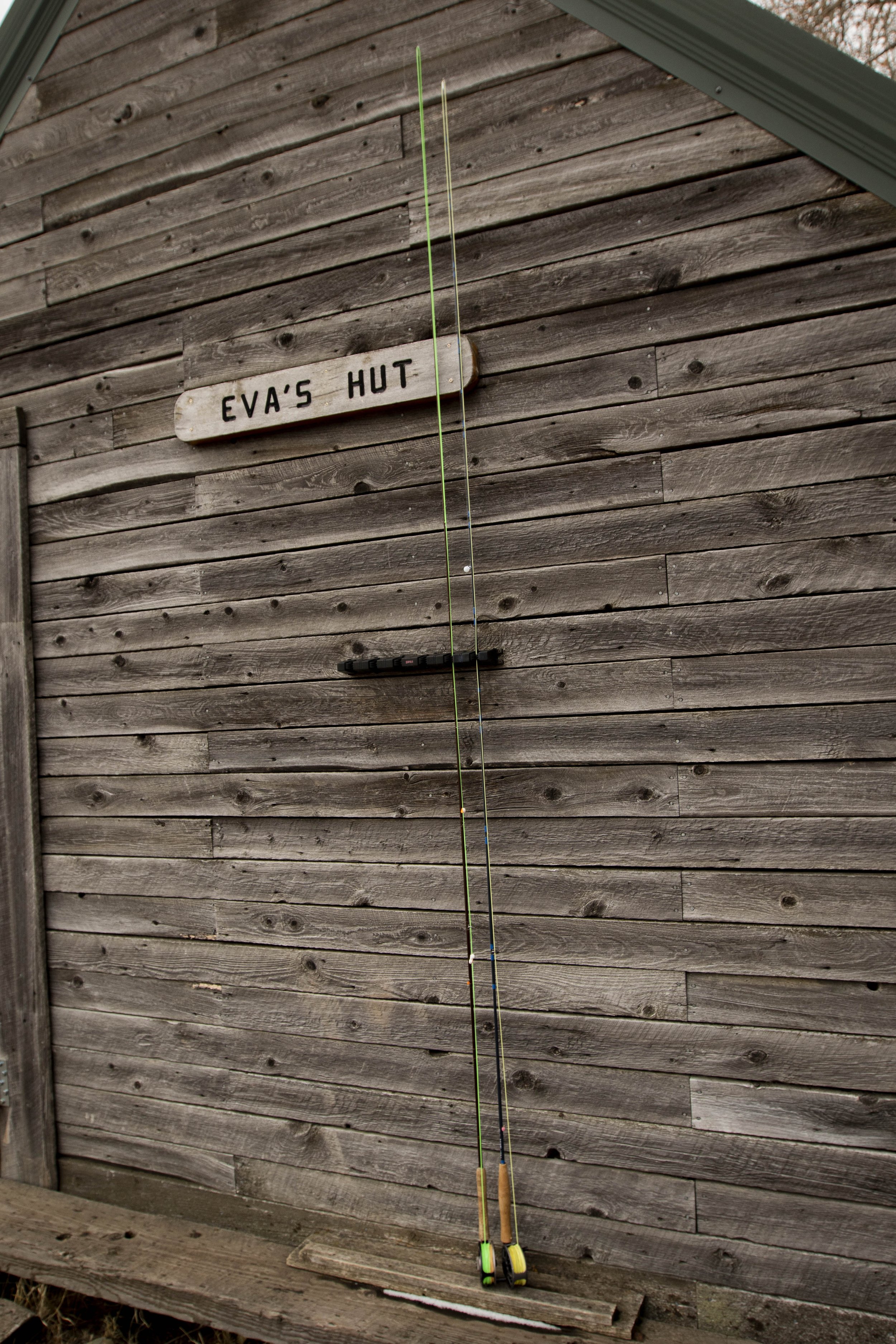
This isn’t a season where you meet at dawn. We start a little later, usually warming up in one of the huts on Armstrong’s or DePuy’s. It’s a good place to rig rods, drink a cup of coffee, and get a feel for what the creek is doing.
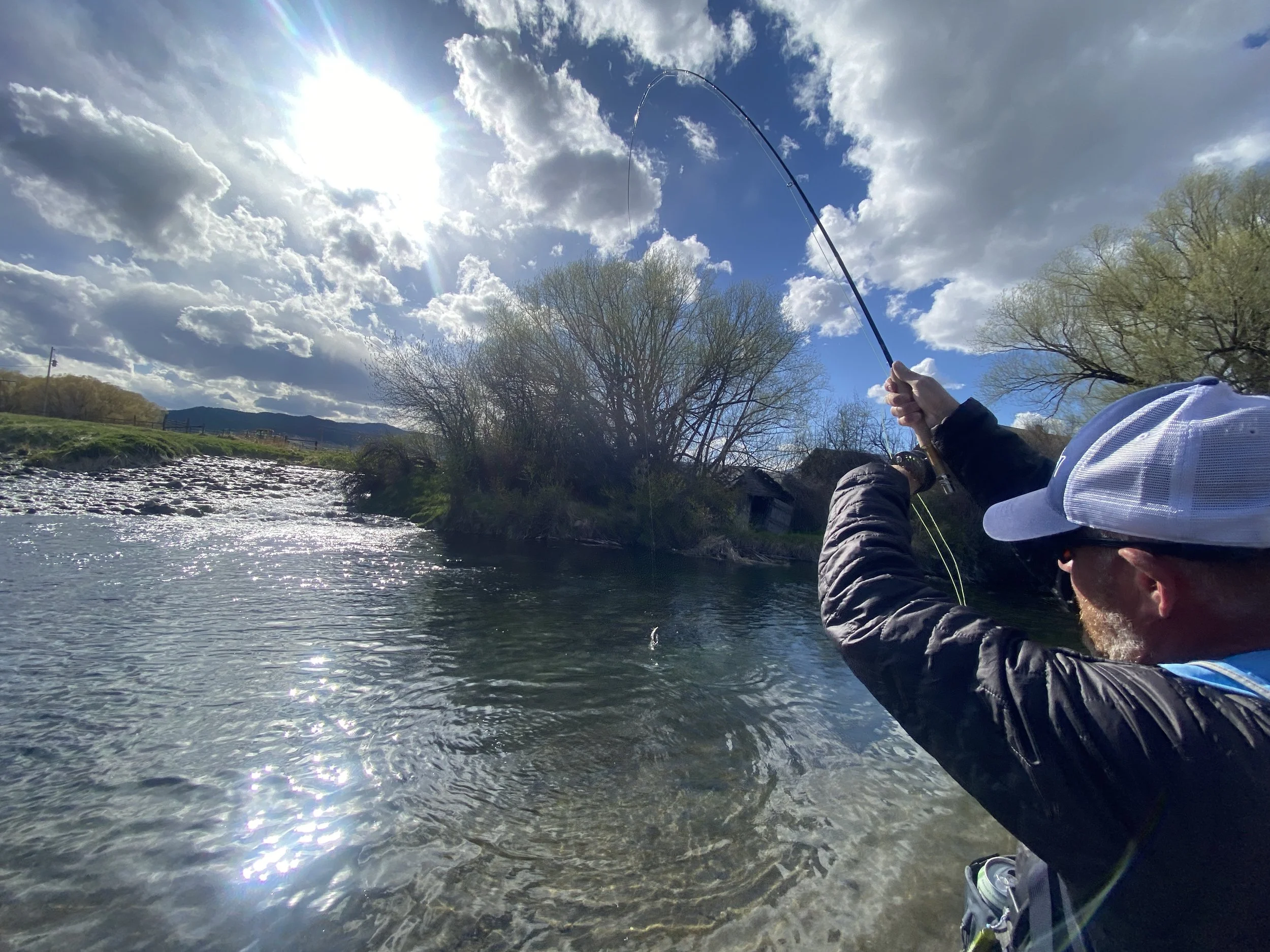
Once we step out, the whole day is built around small windows. We work soft seams, inside bends, and slow, even flows that collect food. Some days bring steady nymphing. Others produce a short but memorable midge hatch with a few fish rising in the slicks. Those moments can feel like a reward for slowing down and doing things right.
Winter on a spring creek is simple, but not easy. You earn your shots. And when a fish eats in cold clear water, it sticks with you.
Why Winter Spring Creek Fishing Is Underrated
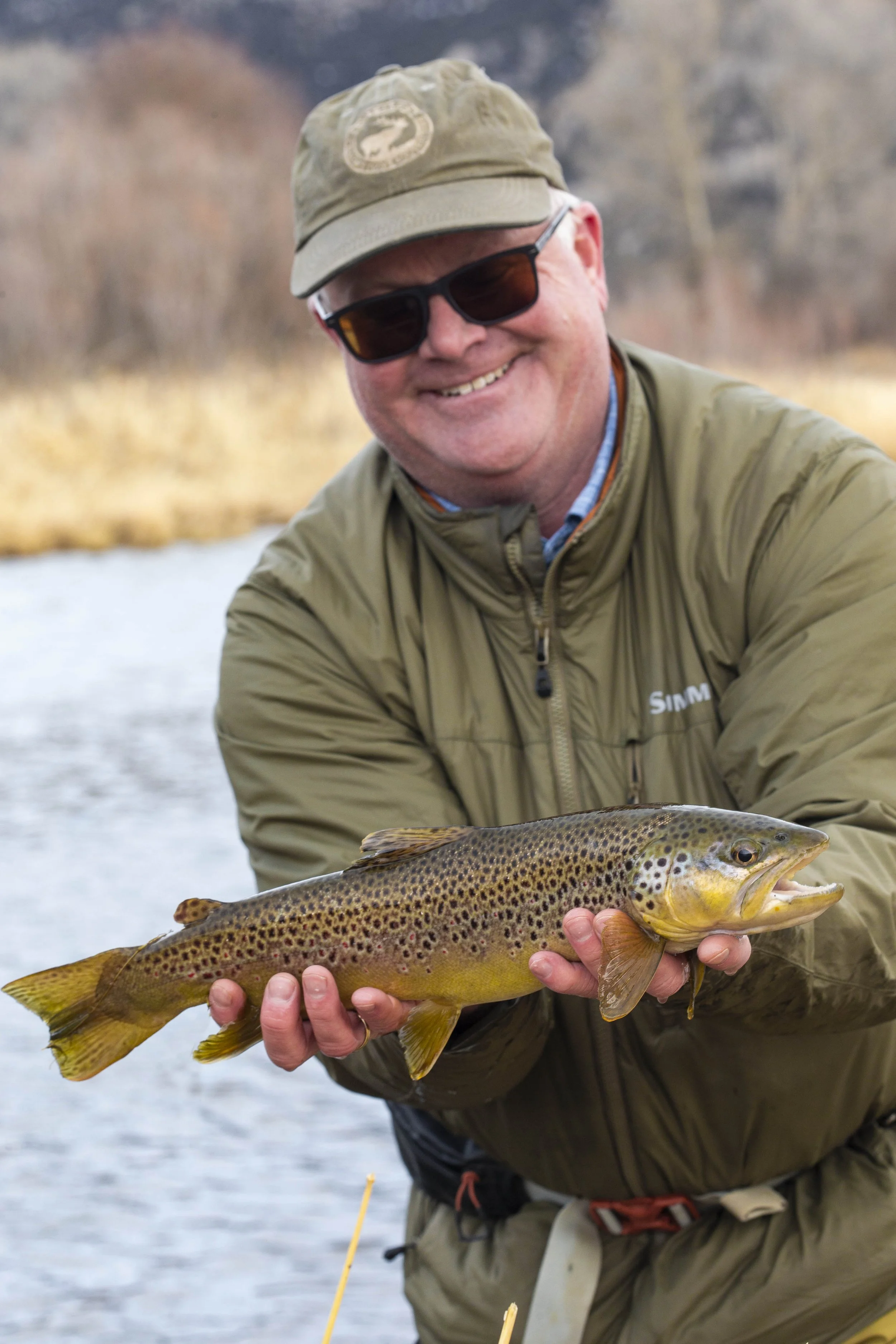
Most anglers overlook winter entirely, but it’s one of the calmest and most rewarding seasons of the year. Crowds disappear. The scenery feels sharper. And the fish you do hook are usually thick, healthy, and exactly where they should be.
If you like technical fishing and you want to see these creeks at their most honest, winter is your window.
Ready to Fish the Spring Creeks?
If you want to see Armstrong’s or DePuy’s in winter, reach out. We can look at the weather, pick the right window, and build a day that fits the conditions.
These creeks reward patience and good work—and winter is when they show their real character.